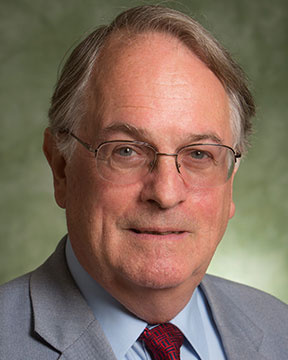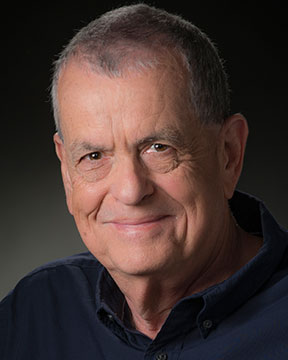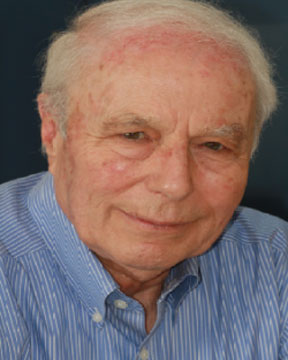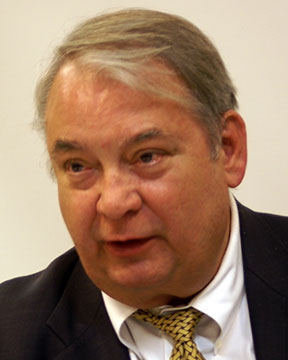

In Honor of Nobel Laureate Dr. Aaron Ciechanover

| SESSION: OxidativeTuePM1-R2 |
Inufusa International Symposium (5th Intl. Symp. on Oxidative Stress for Sustainable Development of Human Beings) |
| Tue. 18 Nov. 2025 / Room: Dusit 2 | |
| Session Chairs: Fuhua Yang; Koji Fukui; Student Monitors: TBA | |
Head and neck cancers occur in the oral cavity, pharynx, and larynx, which compromise several fundamental functions such as swallowing, voicing, respiration, and articulation. Advanced cancers are usually treated by radiotherapy or radical surgery, however, post-treatment QOL is often severely deteriorated. Photoimmunotherapy (PIT) is a innovative treatment that can kill cancers cells in pinpoint manner, preserving surrounding healthy tissues. PIT consists of systemic administration of antibody-photoabsorbance conjugate (APC) followed by irradiation of near infrared light. The tumor can be immediately diminished, and since the membrane of the cell is destroyed, neoantigen is emitted, which can lead to strengthening of cancer immune system. PIT is approved only in Japan now, but clinical trials are under way in manay countries. PIT also produces reactive oxygen speices (ROS) which may be effective for cancer treatment, but on the other hand, it is suggested that ROS may cause post-treatment laryngeal edema which occasionally requires tracheostomy. The edema can ocuur even without lightening to the larynx. It is important to correctly use PIT to have the best effects in mean time to avoid edema. Recent researches suggest that anti-oxidant can prevent the laryngeal edema without decreasing the therapeutic effects for cancer. The current status of PIT for head and neck caners is reported.
In human brain tissue, oxidative stress (OS) induces various inflammatory cytokines, leading to inflammation. This inflammation causes diverse damage not only in the affected brain area but also in surrounding brain tissue.Long-term damage to brain tissue can impair the brain's autophagy function, reducing its ability to clear waste, leading to the accumulation of waste products such as amyloid beta and tau proteins, and creating a vicious cycle of further oxidative stress. Dementia is a representative disease of this process, and the development of pharmaceuticals has been challenging due to the diverse nature of the target waste products.Twendee X (TwX) is a supplement composed of eight vitamins, amino acids, CoQ10, and other ingredients, with clinical trial-confirmed preventive effects against dementia in humans. Other diseases closely associated with OS in brain neurons include hypertension, atherosclerosis, hearing loss/tinnitus, ALS, Parkinson's disease, post-stroke sequelae, chronic fatigue syndrome, depression, and sleep apnea syndrome.TwX is an antioxidant formulation that has been shown to be safe for use in both clinical and basic research, and it is expanding the field of antioxidant therapy, which has previously been challenging. The importance of antioxidant therapy is beginning to be recognized in the expansion of treatment targets for inflammatory diseases caused by oxidative stress in the brain and in basic research fields.
| SESSION: OxidativeTuePM2-R2 |
Inufusa International Symposium (5th Intl. Symp. on Oxidative Stress for Sustainable Development of Human Beings) |
| Tue. 18 Nov. 2025 / Room: Dusit 2 | |
| Session Chairs: Haruhiko Inufusa; Yoshiaki Harakawa; Student Monitors: TBA | |
Treatments for advanced head and neck cancer previously relied on radical surgery. However, radiation therapy and concurrent chemoradiotherapy, particularly using cisplatin, have gained preference due to their effectiveness and the preservation of normal tissues and their functions. A significant drawback of radiotherapy is its adverse effects, including oral mucositis, xerostomia, salivary gland dysfunction, neurological disorders, dysphagia, and dysphonia. Research in vitro, in vivo, and clinical trials has demonstrated that antioxidants effectively protect normal tissues from radiation-induced damage. However, the potential for antioxidants to compromise the tumoricidal efficacy of radiotherapy remains a subject of controversy. Clinical studies on head and neck cancer suggest that antioxidant use may negatively impact cancer control and survival outcomes. Consequently, non-selective systemic antioxidant therapy is not generally recommended. Recent advancements in the quantification of oxidative stress and biological antioxidant potential provide new opportunities to customize antioxidant therapies for individual patients. To optimize outcomes, further research is needed to elucidate the complex interactions between antioxidants, reactive oxygen species (ROS), and tumors. The development of novel antioxidant agents that can selectively protect normal tissue is also required. Subsequently, large-scale randomized controlled trials will be necessary to evaluate the efficacy of antioxidant therapies tailored to tumor characteristics and the specific conditions of individual patients. Below is the first part series of a work in progress regarding combinative antioxidant-proapoptotic therapies for head and neck cancer patients during radiotherapy.
| SESSION: OxidativeTuePM3-R2 |
Inufusa International Symposium (5th Intl. Symp. on Oxidative Stress for Sustainable Development of Human Beings) |
| Tue. 18 Nov. 2025 / Room: Dusit 2 | |
| Session Chairs: Davis Joseph; Haruhiko Inufusa; Student Monitors: TBA | |
Respiratory-swallowing coordination is essential for safe swallowing and the prevention of aspiration. The pontine respiratory group, particularly the Kölliker-Fuse nucleus (KF), plays a crucial role in maintaining respiratory rhythm and proper laryngeal movement. Additionally, the KF regulates the initiation and motor activity of pharyngeal swallowing and is interconnected with the nucleus tractus solitarius, receiving both visceral and somatic sensory information from the larynx and nose. Therefore, lesions in the pontine brainstem, including damage to the KF, can lead to a deterioration in respiratory rhythm and coordination between respiration and swallowing. Furthermore, the deterioration of the oxidative and antioxidative balance caused by brain ischemia may contribute to the dysfunction of neuronal systems. However, little is known about the relationship between respiratory rhythm generation and oxidative stress, as well as the effects of lesions in the respiratory center on oxidative and antioxidative systems. We investigate the impact of inhibiting the KF on respiratory and swallowing activities, as well as changes in oxidative and antioxidative stress, both before and after the pontine lesion. To monitor respiration and swallowing, we recorded the activity of the vagus, hypoglossal, phrenic, and abdominal nerves in a perfused brainstem preparation of rats. Additionally, a multi-electrode array was used to record respiratory and swallowing-related neurons in the dorsal medulla, and the KF was inhibited through the microinjection of a GABA agonist. Changes in respiratory rhythm and motor activities were analyzed, and we measured derivatives of reactive oxygen metabolites (d-ROMs) and biological antioxidant potential (BAP) to evaluate levels of oxidative and antioxidative stress before and after the lesion.
The post-inspiratory activity of the vagus nerve was inhibited, and activity patterns of swallowing were changed following the KF inhibition. The BAP levels were increased after KF inhibition.
Our findings suggest that the KF contributes to mediating glottal adduction and controlling post-inspiratory activity. The KF may significantly impact the oxidative and antioxidative balance.
Historically, advanced head and neck cancer was treated primarily with radical surgery. However, radiotherapy and concurrent chemoradiotherapy, particularly cisplatin-based regimens, have become the preferred approach due to their efficacy in tumor control while preserving normal tissue function. Despite these advantages, radiotherapy induces significant adverse effects, including oral mucositis, xerostomia, salivary gland dysfunction, neuropathies, dysphagia, and dysphonia, which impair quality of life(1). Preclinical and clinical studies have demonstrated the ability of antioxidants to mitigate radiation-induced damage to normal tissues. However, their potential to attenuate the tumoricidal effects of radiotherapy remains controversial. Clinical evidence suggests that systemic antioxidant administration may negatively impact oncological outcomes, reducing tumor control and survival rates(2). Consequently, non-selective antioxidant therapy is generally discouraged in this setting. Recent advances in oxidative stress quantification, such as measuring derivatives of reactive oxygen metabolites (d-ROMs) and biological antioxidant potential (BAP), have improved our ability to assess oxidative balance in cancer patients(3). These developments may offer personalized strategies for antioxidant use.Future research should focus on developing tissue-selective antioxidants that protect normal structures without interfering with ROS-mediated tumor suppression. Large-scale randomized controlled trials (RCTs) will be necessary to validate tailored approaches that optimize therapeutic efficacy while minimizing normal tissue toxicity.
| SESSION: OxidativeWedPM1-R2 |
Inufusa International Symposium (5th Intl. Symp. on Oxidative Stress for Sustainable Development of Human Beings) |
| Wed. 19 Nov. 2025 / Room: Dusit 2 | |
| Session Chairs: Haruhiko Inufusa; Motoki Watanabe; Student Monitors: TBA | |
Dysphagia has become a significant and increasingly widespread issue, especially given the rapidly aging global population. Various factors, such as cerebrovascular lesions and neurodegenerative diseases, can lead to swallowing impairments. Specifically, brainstem ischemia in the dorsolateral medulla and other brainstem regions, such as the dorsolateral pons, can result in severe swallowing disorders, ultimately leading to aspiration pneumonia. Moreover, reoxygenation during reperfusion after ischemic brain damage triggers oxidative reactions of reactive oxygen species (ROS) in the ischemic and surrounding areas, which can exacerbate neuronal damage in and around the ischemic lesion. However, our understanding of how ischemia and reperfusion in the brainstem affect swallowing function and oxidative stress is limited.
To clarify the impact of brainstem ischemia and subsequent reperfusion on swallowing function and oxidative stress, we studied changes in motor activities of respiration and swallowing, as well as oxidative stress, before, during, and after brainstem ischemia induced by transient clamping of the carotid or vertebral arteries.
We monitored respiration and swallowing by recording the activity of the vagus, hypoglossal, phrenic, and abdominal nerves in a perfused brainstem preparation of rats. Swallowing was induced through electrical stimulation of the superior laryngeal nerve and by administering water orally. We analyzed changes in respiratory rhythm and motor activities and measured derivatives of reactive oxygen metabolites (d-ROMs) and biological antioxidant potential (BAP) to evaluate the levels of oxidative and antioxidative stress before, during, and after the clamping of the bilateral carotid artery (group 1) and the ipsilateral vertebral artery (group 2).
The respiratory-related and swallowing-related activities of the vagus and hypoglossal nerves were modestly altered following the clamping of the arteries. The BAP levels tended to be increased after reperfusion.
Our findings suggest that brainstem ischemia and subsequent reperfusion mediate changes in respiratory and swallowing function concurrent with alterations in the oxidative and antioxidative balance.
Airway defensive reflexes, such as pharyngeal swallowing, coughing, and sneezing, play a pivotal role in maintaining airway homeostasis. These reflexes are controlled by complex mechanisms primarily governed by specific neuronal circuitry in the brainstem, referred to as central pattern generators. These behaviors also require optimal conditions for the peripheral organs within the airway and alimentary tracts, including the nose, pharynx, larynx, and trachea, which are vital for ensuring appropriate responsiveness and motor outputs. Oxidative stress is linked to the development and progress of impaired functions of those behaviors. Dysphagia caused by central or peripheral impairments, such as neurodegeneration of related neuronal networks and laryngeal desensitization, is likely associated with an increased level of oxidative stress. Chronic inflammation and allergic airway sensitization in the lower airways, including asthma, elevate oxidative stress levels and diminish the activity of antioxidant defense enzymes, which exacerbate the severity of respiratory conditions. Antioxidant supplements offer promising therapeutic benefits by facilitating the recovery of distorted airway defensive reflexes, although limited information has been provided concerning therapeutic strategies. Further studies are necessary to enhance our understanding of the pathophysiology of dysphagia and airway diseases related to oxidative stress, as well as to develop new treatment strategies for these disorders.
The respiratory system is essential for efficient gas exchange in the lungs and for maintaining airway clearance. Various factors, including allergies and inflammation, can adversely impact both respiratory function and the non-respiratory behaviors that protect the airways. Conditions such as asthma and other chronic respiratory diseases increase significant health risks, with an increasing number of cases reported. Moreover, allergic responses and chronic inflammation in the upper and lower airways can trigger excessive reflexes, such as sneezing and coughing, which may exacerbate respiratory conditions.
Research on oxidative stress in chronic airway diseases has demonstrated a correlation between chronic airway inflammation and elevated oxidative stress levels. Increased oxidative stress may affect not only inflammation in peripheral tissues but also the central mechanisms that regulate coughing and sneezing. However, theoretical evidence on this topic remains limited. In this overview, we will outline the clinical features of allergic and inflammatory respiratory diseases, including allergic rhinitis and asthma. We will also highlight the basic peripheral and central mechanisms controlling airway reflexes, including sneezing and coughing.
In addition, we will explore the relationships between respiratory disorders and oxidative stress and propose potential benefits of antioxidants, such as Twendee X®, in alleviating pathogenic respiratory distress and reducing hypersensitivity of airway protective reflexes.
| SESSION: OxidativeWedPM2-R2 |
Inufusa International Symposium (5th Intl. Symp. on Oxidative Stress for Sustainable Development of Human Beings) |
| Wed. 19 Nov. 2025 / Room: Dusit 2 | |
| Session Chairs: Shigeru Hirano; Koji Fukui; Student Monitors: TBA | |
Airway reflexes are essential physiological responses that involve the coordinated activities of respiratory-related muscles in both the upper airway and the alimentary tract. Dysphagia is critical not only for ensuring adequate nutrition but also for managing respiratory conditions, thereby supporting overall homeostasis. Additionally, airway protective reflexes, such as coughing, are necessary for clearing the airways, which is vital for effective breathing and maintaining the swallowing reflex.
Oxidative stress can lead to DNA damage and changes in other biomolecules within peripheral tissues and the central nervous system. This stress may be linked to the pathological conditions of dysphagia, particularly in chronic respiratory diseases and cerebrovascular and neurodegenerative disorders. Aging also affects swallowing function due to the diminished activity of swallowing-related muscles and reduced sensitivity of the larynx in inducing the swallowing reflex, which is likely related to decreased antioxidant levels.
The central nervous system, particularly the brainstem, plays a critical role in regulating the mechanisms of swallowing and coughing to ensure the effective transfer of food to the stomach and to protect the airway. Therefore, understanding the neuronal mechanisms involved in these functions is essential for assessing swallowing functions and managing effective treatment strategies for patients with dysphagia.
Moreover, exploring the relationship between the pathophysiology of dysphagia and oxidative stress could provide significant insights into improving swallowing function after cerebrovascular events, neurodegenerative diseases, and damage to peripheral tissues in the alimentary tract. This review aims to highlight the fundamental mechanisms of airway protective reflexes and their relations to oxidative stress while also addressing the clinical management of dysphagia. Additionally, we will examine the potential therapeutic effects of antioxidants, such as Twendee X®, on dysphagia and the deterioration of other airway protective reflexes.
Respiration-swallowing coordination is essential for preventing aspiration, which is regulated by brainstem neuronal networks referred to as the central pattern generators (CPGs) for respiration (respiratory-CPG) and swallowing (swallowing-CPG). Damage to the swallowing CPG, such as that caused by a medullary stroke, can lead to delayed initiation of swallowing and impair the motor sequences involved in the swallowing process. Reoxygenation following ischemic brainstem damage can exacerbate neuronal injury due to oxidative reactions involving reactive oxygen species (ROS) in both the ischemic area and surrounding tissues. The effects of antioxidants on swallowing and respiratory CPG dysfunction following ischemia/reperfusion remain largely unexplored.
To investigate the potential role of antioxidant therapy in brainstem ischemia/reperfusion, we examined changes in the motor activities of respiration and swallowing before, during, and after a transient vertebral artery clamping-induced brainstem ischemia. We assessed the impact of the antioxidant Twendee X on these activities. Using a perfused brainstem preparation of rats, we recorded respiration and swallowing activities via the vagus, hypoglossal, and phrenic nerves. Swallowing was induced through electrical stimulation of the superior laryngeal nerve or by administering oral water. We analyzed changes in respiratory rhythm and motor activity. We also measured reactive oxygen metabolites (d-ROMs) and biological antioxidant potential (BAP) in the perfusate to evaluate oxidative and antioxidative stress levels before and after clamping. Additionally, we assessed whether Twendee X administration influenced the changes resulting from ipsilateral brainstem ischemia/reperfusion.
Following the artery clamping, respiration and swallowing-related activities in the vagus and hypoglossal nerves were modestly altered. BAP levels tended to increase after reperfusion, whereas d-ROM levels attributable to brainstem ischemia/reperfusion appeared to be affected by Twendee X administration. These findings may suggest a potential therapeutic role for Twendee X in mitigating neuronal damage in the brainstem caused by ischemia/reperfusion.
| SESSION: OxidativeWedPM3-R2 |
Inufusa International Symposium (5th Intl. Symp. on Oxidative Stress for Sustainable Development of Human Beings) |
| Wed. 19 Nov. 2025 / Room: Dusit 2 | |
| Session Chairs: Kentaro Omoya; Yoichiro Sugiyama; Student Monitors: TBA | |
Objective:Conventional therapies for laryngeal paralysis and paresis—voice rehabilitation, laryngeal injection, and surgical medialization—are not sufficient for some patients. We previously demonstrated that basic fibroblast growth factor (bFGF) promotes neuromuscular and muscle regeneration in rat models¹⁾. We therefore investigated whether percutaneous bFGF injections can improve voice function in patients with laryngeal paresis. Methods: We enrolled eight adults with chronic unilateral laryngeal paresis (thyroarytenoid involvement, n = 5; cricoarytenoid involvement, n = 3) who exhibited persistent dysphonia despite prior treatments. Under local anesthesia and laryngeal electromyographic guidance, each patient received 10 µg of bFGF injected into the paralyzed muscle once weekly for three to four sessions. We assessed aerodynamic examination, acoustic analysis, GRBAS scale assessment, laryngeal electromyography²⁾, and vocal fold vibratory amplitude (VFVA)²⁾ pre- and post-treatment. Statistical analysis employed paired t-tests, with p < 0.05 considered significant. Results: Aerodynamic parameters showed no significant change. Acoustic analysis demonstrated significant improvements in jitter and PPQ. GRBAS scores, electromyographic turn counts, and VFVA all improved significantly. Conclusion: Percutaneous bFGF injections promoted neuromuscular regeneration in paralyzed laryngeal muscles, restoring vibratory symmetry, muscle function, and voice quality in patients with laryngeal paresis refractory to conventional therapies. These findings suggest bFGF as a promising adjunctive therapeutic option for this population.
| SESSION: OxidativeThuPM1-R2 |
Inufusa International Symposium (5th Intl. Symp. on Oxidative Stress for Sustainable Development of Human Beings) |
| Thu. 20 Nov. 2025 / Room: Dusit 2 | |
| Session Chairs: Yuki Sato; Keiichiro Okano; Student Monitors: TBA | |
Research on Heat Shock Proteins (HSPs) is widely conducted, and their name suggests that they are proteins primarily responsive to heat stimuli. However, some HSPs respond to oxidative stress (OS) and inflammation.
HSP70, with a molecular weight of 70 kDa, is conserved in nearly all biological species and is the most well-characterized HSP in response to oxidative stress, with numerous reports available. HSP70 not only responds to OS but also has been reported to increase oxidative stress when inhibited. HSP90 is another important HSP, which is constantly expressed and maintains the structure of the NOX enzyme family that produces reactive oxygen species (ROS), thereby promoting ROS production.HSP90 inhibitors are being studied as anticancer agents. HPS27 is strongly induced by heat, OS, and drugs, and its levels significantly increase in cancer and OS responses. Since opportunities for OS to rise and inflammation to occur are more common in humans than prolonged exposure to saunas or hot baths, it is considered that OS triggers HSP responses in the human body. Following the development of Twendee X (TwX), safe antioxidant therapy for humans has become possible.TwX is a supplement composed of eight vitamins, amino acids, CoQ10, and other ingredients, and its efficacy has been confirmed in human and animal experiments for the following conditions:Dementia, cancer, hypertension, atherosclerosis, asthma, atopic dermatitis, hay fever, sinusitis, systemic sclerosis, and other allergic diseases; hearing loss, tinnitus, vocal cord fatigue, and other otolaryngological disorders; ALS, Parkinson's disease, post-stroke sequelae, and other neurological disorders; pancreatitis, ulcerative colitis, hepatitis, and other inflammatory diseases.TwX is an antioxidant formulation that can be safely used in both clinical and basic research, and it is expanding significantly in the field of antioxidant therapy, which has previously been challenging. In terms of HSP research, it is anticipated that combining OS stimulation with TwX will promote HSP research.