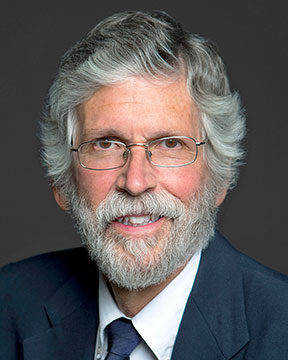

In Honor of Nobel Laureate Dr. Aaron Ciechanover


| SESSION: OxidativeTuePM1-R2 |
Inufusa International Symposium (5th Intl. Symp. on Oxidative Stress for Sustainable Development of Human Beings) |
| Tue. 18 Nov. 2025 / Room: Dusit 2 | |
| Session Chairs: Fuhua Yang; Koji Fukui; Student Monitors: TBA | |
In human brain tissue, oxidative stress (OS) induces various inflammatory cytokines, leading to inflammation. This inflammation causes diverse damage not only in the affected brain area but also in surrounding brain tissue.Long-term damage to brain tissue can impair the brain's autophagy function, reducing its ability to clear waste, leading to the accumulation of waste products such as amyloid beta and tau proteins, and creating a vicious cycle of further oxidative stress. Dementia is a representative disease of this process, and the development of pharmaceuticals has been challenging due to the diverse nature of the target waste products.Twendee X (TwX) is a supplement composed of eight vitamins, amino acids, CoQ10, and other ingredients, with clinical trial-confirmed preventive effects against dementia in humans. Other diseases closely associated with OS in brain neurons include hypertension, atherosclerosis, hearing loss/tinnitus, ALS, Parkinson's disease, post-stroke sequelae, chronic fatigue syndrome, depression, and sleep apnea syndrome.TwX is an antioxidant formulation that has been shown to be safe for use in both clinical and basic research, and it is expanding the field of antioxidant therapy, which has previously been challenging. The importance of antioxidant therapy is beginning to be recognized in the expansion of treatment targets for inflammatory diseases caused by oxidative stress in the brain and in basic research fields.
| SESSION: OxidativeTuePM2-R2 |
Inufusa International Symposium (5th Intl. Symp. on Oxidative Stress for Sustainable Development of Human Beings) |
| Tue. 18 Nov. 2025 / Room: Dusit 2 | |
| Session Chairs: Haruhiko Inufusa; Yoshiaki Harakawa; Student Monitors: TBA | |
Reactive oxygen species (ROS) contribute to oxidative stress, which plays a critical role in aging and neurodegenerative diseases such as Alzheimer’s disease and dementia. Among ROS, hydrogen peroxide is known to particularly target lipids and impair neuronal function. Although the body possesses antioxidant defense mechanisms, their efficiency declines with age.
In this study, we investigated the effects of low concentrations of hydrogen peroxide on cultured neuronal cells. Treatment induced neurite degeneration characterized by bead-like swellings [1]. This degeneration was associated with disrupted calcium homeostasis and a marked increase in mitochondrial superoxide production [2]. Electron microscopy revealed abnormal accumulation of mitochondria at the beaded regions of neurites [3].
These findings suggest that ROS-induced neurite degeneration occurs prior to neuronal cell death and involves mitochondrial dysfunction driven by calcium dysregulation. Such early pathological changes may increase our understanding of neurodegenerative disorders. Antioxidant supplementation could represent a potential strategy to mitigate oxidative neuronal damage during aging.
Tocotrienols, a natural fat-soluble vitamin, have a strong antioxidant effect. Its antioxidant effect is stronger than that of tocopherols. Tocotrienols have unique functions such as inducing apoptosis in cancer cells, neuroprotection, and inhibiting HMG-CoA reductase activity.
On the other hand, obesity has become a serious problem worldwide and increases the risk of many serious diseases. One of the problems caused by obesity is the promotion of oxidation in the body. The accumulation of oxidative damage in the body is deeply related to lifespan. In this study, to clarify the relationship between obesity and oxidative damage, obese mice were created and tocotrienols were administered to verify its antioxidant effect.
Tocotrienols administration significantly suppressed weight gain in mice fed a high-fat diet [1]. This phenomenon did not change even when the administration period or dosage was changed [2]. HPLC confirmed that tocotrienols had reached the adipose tissue. In serum tests, lipid scores were significantly improved. This is thought to be related to improved liver function. These results indicate the discovery of a new function of the antioxidant tocotrienols and encourage further research.
| SESSION: OxidativeWedPM3-R2 |
Inufusa International Symposium (5th Intl. Symp. on Oxidative Stress for Sustainable Development of Human Beings) |
| Wed. 19 Nov. 2025 / Room: Dusit 2 | |
| Session Chairs: Kentaro Omoya; Yoichiro Sugiyama; Student Monitors: TBA | |
Reactive oxygen species (ROS) are closely associated with brain dysfunction, particularly cognitive decline, which often accompanies aging. Antioxidant supplementation is a promising strategy to mitigate these effects [1,2]. In this study, we investigated the effects of Twendee X, a combination antioxidant supplement containing eight active ingredients, on cognitive and motor functions in middle-aged mice. Male C57BL/6 mice (49 weeks old) were administered Twendee X orally for one month. Behavioral assessments using the Morris water maze test revealed significant improvements in spatial memory, while the Rota-rod test indicated enhanced motor coordination. To explore the potential mechanisms underlying these effects, we performed western blot analyses of neurotrophic factors in the brain; however, no significant changes were detected among the experimental groups. These results suggest that combination antioxidant supplementation may enhance brain function in aging individuals, although the precise molecular mechanisms remain to be elucidated. Regular antioxidant intake may contribute to the prevention of age-related cognitive and motor decline.
| SESSION: OxidativeThuPM1-R2 |
Inufusa International Symposium (5th Intl. Symp. on Oxidative Stress for Sustainable Development of Human Beings) |
| Thu. 20 Nov. 2025 / Room: Dusit 2 | |
| Session Chairs: Yuki Sato; Keiichiro Okano; Student Monitors: TBA | |
Research on Heat Shock Proteins (HSPs) is widely conducted, and their name suggests that they are proteins primarily responsive to heat stimuli. However, some HSPs respond to oxidative stress (OS) and inflammation.
HSP70, with a molecular weight of 70 kDa, is conserved in nearly all biological species and is the most well-characterized HSP in response to oxidative stress, with numerous reports available. HSP70 not only responds to OS but also has been reported to increase oxidative stress when inhibited. HSP90 is another important HSP, which is constantly expressed and maintains the structure of the NOX enzyme family that produces reactive oxygen species (ROS), thereby promoting ROS production.HSP90 inhibitors are being studied as anticancer agents. HPS27 is strongly induced by heat, OS, and drugs, and its levels significantly increase in cancer and OS responses. Since opportunities for OS to rise and inflammation to occur are more common in humans than prolonged exposure to saunas or hot baths, it is considered that OS triggers HSP responses in the human body. Following the development of Twendee X (TwX), safe antioxidant therapy for humans has become possible.TwX is a supplement composed of eight vitamins, amino acids, CoQ10, and other ingredients, and its efficacy has been confirmed in human and animal experiments for the following conditions:Dementia, cancer, hypertension, atherosclerosis, asthma, atopic dermatitis, hay fever, sinusitis, systemic sclerosis, and other allergic diseases; hearing loss, tinnitus, vocal cord fatigue, and other otolaryngological disorders; ALS, Parkinson's disease, post-stroke sequelae, and other neurological disorders; pancreatitis, ulcerative colitis, hepatitis, and other inflammatory diseases.TwX is an antioxidant formulation that can be safely used in both clinical and basic research, and it is expanding significantly in the field of antioxidant therapy, which has previously been challenging. In terms of HSP research, it is anticipated that combining OS stimulation with TwX will promote HSP research.