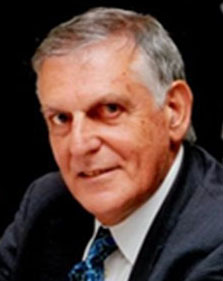

In Honor of Nobel Laureate Dr. Aaron Ciechanover

| SESSION: IronWedPM2-R7 |
11th Intl. Symp. on Advanced Sustainable Iron & Steel Making |
| Wed. 19 Nov. 2025 / Room: Lotus | |
| Session Chairs: Vladimir Tsepelev; Dhanraj Patil; Student Monitors: TBA | |
According to the International Energy Agency (IEA)[1] , the steel sector, among heavy industries, ranks first in CO2 emissions and second in energy consumption. Brazil is the largest steel producer in Latin America and the ninth largest in the world, according to the Instituto Aço Brasil[2] . This work aims to analyze existing standards and definitions for greener steel in Brazil and Europe in order to contribute to achieving the goals of the Paris Agreement [3].The steel industry faces major challenges to become more sustainable. Steel production is very carbon-intensive. This contributes significantly to greenhouse gas emissions.The industry is under pressure to reduce its carbon footprint. It needs to adopt more sustainable practices. A recent report emphasizes the importance of a low-carbon economy. [Green steel seeks to reduce carbon emissions. This is done by using renewable energy and sustainable materials. Green steel is a cleaner option than traditional steel. It is made with technologies that reduce gas emissions. Our goal is to make steel without much impact on the environment.4]