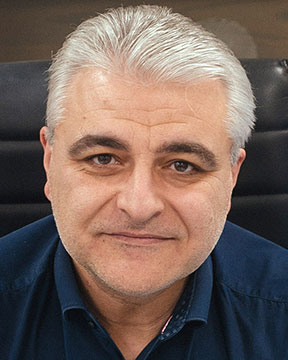

In Honor of Nobel Laureate Dr. Aaron Ciechanover



| SESSION: LawsTuePM3-R7 |
Otis International Symposium (5th Intl Symp on Law & its Applications for Sustainable Development) |
| Tue. 18 Nov. 2025 / Room: Lotus | |
| Session Chairs: Shingo Murakami; Maria Stefanaki; Student Monitors: TBA | |
Children and adolescents are recognized as rights-holders and active participants in judicial proceedings that affect them, in accordance with the Convention on the Rights of the Child, particularly the right to be heard (Article 12). However, effective participation is often hindered by linguistic, cognitive, and communicational barriers, limiting comprehension and meaningful engagement in hearings where children are parties rather than mere witnesses.
This paper explores the potential of child-friendly artificial intelligence (AI) tools to facilitate understanding and communication during judicial processes involving minors. AI applications such as interactive plain-language interfaces, automated translation systems, and sign-language recognition aim to enhance children’s comprehension of legal procedures, support expression, and strengthen agency in alignment with their procedural rights.
The study adopts a comparative doctrinal and normative methodology, analyzing legal frameworks in Latin America and benchmark jurisdictions (EU, Canada, Australia) to assess whether current procedural laws support or could be adapted to accommodate AI-assisted participation. Ethical, privacy, and due-process considerations are evaluated to propose guidelines and safeguards for AI integration in judicial contexts.
Preliminary findings indicate that while most jurisdictions do not yet regulate technological accommodations for child participants, the normative foundation in international and regional human-rights instruments supports their introduction. The paper concludes that child-friendly AI, when implemented with adequate safeguards, can reduce structural barriers, promote effective access to justice, and uphold the right of children to be heard, reinforcing their dignity and participation in legal processes.