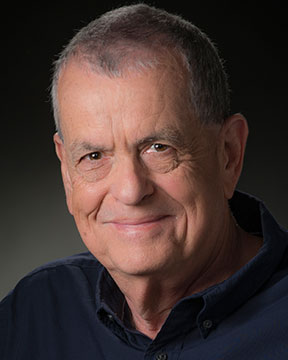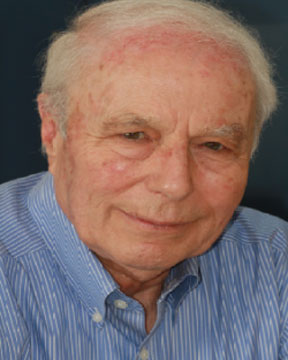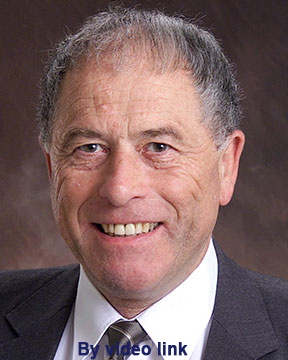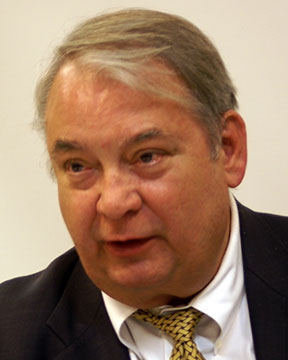

In Honor of Nobel Laureate Dr. Aaron Ciechanover

| SESSION: OxidativeTuePM2-R2 |
Inufusa International Symposium (5th Intl. Symp. on Oxidative Stress for Sustainable Development of Human Beings) |
| Tue. 18 Nov. 2025 / Room: Dusit 2 | |
| Session Chairs: Haruhiko Inufusa; Yoshiaki Harakawa; Student Monitors: TBA | |
Treatments for advanced head and neck cancer previously relied on radical surgery. However, radiation therapy and concurrent chemoradiotherapy, particularly using cisplatin, have gained preference due to their effectiveness and the preservation of normal tissues and their functions. A significant drawback of radiotherapy is its adverse effects, including oral mucositis, xerostomia, salivary gland dysfunction, neurological disorders, dysphagia, and dysphonia. Research in vitro, in vivo, and clinical trials has demonstrated that antioxidants effectively protect normal tissues from radiation-induced damage. However, the potential for antioxidants to compromise the tumoricidal efficacy of radiotherapy remains a subject of controversy. Clinical studies on head and neck cancer suggest that antioxidant use may negatively impact cancer control and survival outcomes. Consequently, non-selective systemic antioxidant therapy is not generally recommended. Recent advancements in the quantification of oxidative stress and biological antioxidant potential provide new opportunities to customize antioxidant therapies for individual patients. To optimize outcomes, further research is needed to elucidate the complex interactions between antioxidants, reactive oxygen species (ROS), and tumors. The development of novel antioxidant agents that can selectively protect normal tissue is also required. Subsequently, large-scale randomized controlled trials will be necessary to evaluate the efficacy of antioxidant therapies tailored to tumor characteristics and the specific conditions of individual patients. Below is the first part series of a work in progress regarding combinative antioxidant-proapoptotic therapies for head and neck cancer patients during radiotherapy.
| SESSION: OxidativeTuePM3-R2 |
Inufusa International Symposium (5th Intl. Symp. on Oxidative Stress for Sustainable Development of Human Beings) |
| Tue. 18 Nov. 2025 / Room: Dusit 2 | |
| Session Chairs: Davis Joseph; Haruhiko Inufusa; Student Monitors: TBA | |
Historically, advanced head and neck cancer was treated primarily with radical surgery. However, radiotherapy and concurrent chemoradiotherapy, particularly cisplatin-based regimens, have become the preferred approach due to their efficacy in tumor control while preserving normal tissue function. Despite these advantages, radiotherapy induces significant adverse effects, including oral mucositis, xerostomia, salivary gland dysfunction, neuropathies, dysphagia, and dysphonia, which impair quality of life(1). Preclinical and clinical studies have demonstrated the ability of antioxidants to mitigate radiation-induced damage to normal tissues. However, their potential to attenuate the tumoricidal effects of radiotherapy remains controversial. Clinical evidence suggests that systemic antioxidant administration may negatively impact oncological outcomes, reducing tumor control and survival rates(2). Consequently, non-selective antioxidant therapy is generally discouraged in this setting. Recent advances in oxidative stress quantification, such as measuring derivatives of reactive oxygen metabolites (d-ROMs) and biological antioxidant potential (BAP), have improved our ability to assess oxidative balance in cancer patients(3). These developments may offer personalized strategies for antioxidant use.Future research should focus on developing tissue-selective antioxidants that protect normal structures without interfering with ROS-mediated tumor suppression. Large-scale randomized controlled trials (RCTs) will be necessary to validate tailored approaches that optimize therapeutic efficacy while minimizing normal tissue toxicity.
| SESSION: OxidativeWedPM3-R2 |
Inufusa International Symposium (5th Intl. Symp. on Oxidative Stress for Sustainable Development of Human Beings) |
| Wed. 19 Nov. 2025 / Room: Dusit 2 | |
| Session Chairs: Kentaro Omoya; Yoichiro Sugiyama; Student Monitors: TBA | |
Objective:Conventional therapies for laryngeal paralysis and paresis—voice rehabilitation, laryngeal injection, and surgical medialization—are not sufficient for some patients. We previously demonstrated that basic fibroblast growth factor (bFGF) promotes neuromuscular and muscle regeneration in rat models¹⁾. We therefore investigated whether percutaneous bFGF injections can improve voice function in patients with laryngeal paresis. Methods: We enrolled eight adults with chronic unilateral laryngeal paresis (thyroarytenoid involvement, n = 5; cricoarytenoid involvement, n = 3) who exhibited persistent dysphonia despite prior treatments. Under local anesthesia and laryngeal electromyographic guidance, each patient received 10 µg of bFGF injected into the paralyzed muscle once weekly for three to four sessions. We assessed aerodynamic examination, acoustic analysis, GRBAS scale assessment, laryngeal electromyography²⁾, and vocal fold vibratory amplitude (VFVA)²⁾ pre- and post-treatment. Statistical analysis employed paired t-tests, with p < 0.05 considered significant. Results: Aerodynamic parameters showed no significant change. Acoustic analysis demonstrated significant improvements in jitter and PPQ. GRBAS scores, electromyographic turn counts, and VFVA all improved significantly. Conclusion: Percutaneous bFGF injections promoted neuromuscular regeneration in paralyzed laryngeal muscles, restoring vibratory symmetry, muscle function, and voice quality in patients with laryngeal paresis refractory to conventional therapies. These findings suggest bFGF as a promising adjunctive therapeutic option for this population.