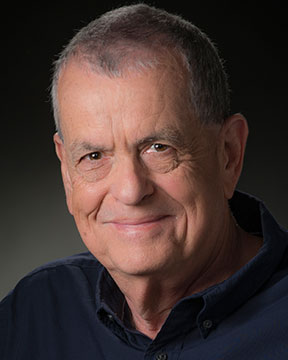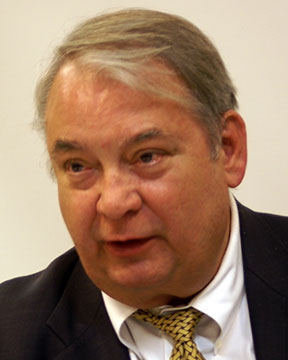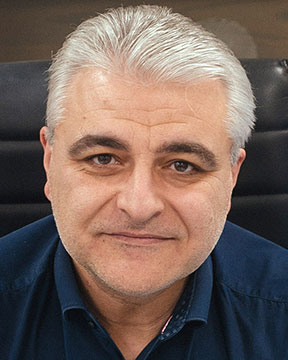

In Honor of Nobel Laureate Dr. Aaron Ciechanover

| SESSION: OxidativeTuePM1-R2 |
Inufusa International Symposium (5th Intl. Symp. on Oxidative Stress for Sustainable Development of Human Beings) |
| Tue. 18 Nov. 2025 / Room: Dusit 2 | |
| Session Chairs: Fuhua Yang; Koji Fukui; Student Monitors: TBA | |
Chronic rhinosinusitis with eosinophilia (ECRS) is a refractory sinusitis characterized by eosinophilia in the nasal mucosa and peripheral blood. In ECRS, multiple nasal polyps are present in the ethmoid sinuses, and the disease is often accompanied by olfactory dysfunction and asthma. It is a disease that significantly impairs the quality of life of patients by causing persistent nasal congestion and thick nasal discharge, leading to decreased concentration and insomnia. From previous studies, we found that (1) defects in Cu,Zn-SOD in ECRS epithelium contribute to increased IL-17A, macrophage infiltration in the subepithelial tissue, and excessive production of mucin gene (MUC5AC) in the epithelium, thereby potentially exacerbating inflammation and excessive mucus secretion, and (2) reduced HO-1 expression in the epithelium and macrophage infiltration are associated with epithelial damage in CRS accompanied by eosinophil infiltration. These findings suggest that antioxidants may play a crucial role in elucidating the pathophysiology of refractory diseases such as ECRS and may provide new therapeutic strategies. In this paper, three new comprehensive molecular signaling pathway networks of (1) oxidative stress, (2) inflammation inhibition mechanisms and (3) inflammation in ECRS were developed for the first time, based on a critical analysis of scientific literature. In addition, three immunology flowsheets related to oxidative stress, inflammation and carbon monoxide-based inflammation inhibition mechanisms of ECRS were developed for the first time and examined from both clinical and biochemical perspectives. Based on these pathways, this study identified the treatment targets which can be used in future ECRS treatments.
In human brain tissue, oxidative stress (OS) induces various inflammatory cytokines, leading to inflammation. This inflammation causes diverse damage not only in the affected brain area but also in surrounding brain tissue.Long-term damage to brain tissue can impair the brain's autophagy function, reducing its ability to clear waste, leading to the accumulation of waste products such as amyloid beta and tau proteins, and creating a vicious cycle of further oxidative stress. Dementia is a representative disease of this process, and the development of pharmaceuticals has been challenging due to the diverse nature of the target waste products.Twendee X (TwX) is a supplement composed of eight vitamins, amino acids, CoQ10, and other ingredients, with clinical trial-confirmed preventive effects against dementia in humans. Other diseases closely associated with OS in brain neurons include hypertension, atherosclerosis, hearing loss/tinnitus, ALS, Parkinson's disease, post-stroke sequelae, chronic fatigue syndrome, depression, and sleep apnea syndrome.TwX is an antioxidant formulation that has been shown to be safe for use in both clinical and basic research, and it is expanding the field of antioxidant therapy, which has previously been challenging. The importance of antioxidant therapy is beginning to be recognized in the expansion of treatment targets for inflammatory diseases caused by oxidative stress in the brain and in basic research fields.
| SESSION: OxidativeTuePM2-R2 |
Inufusa International Symposium (5th Intl. Symp. on Oxidative Stress for Sustainable Development of Human Beings) |
| Tue. 18 Nov. 2025 / Room: Dusit 2 | |
| Session Chairs: Haruhiko Inufusa; Yoshiaki Harakawa; Student Monitors: TBA | |
Treatments for advanced head and neck cancer previously relied on radical surgery. However, radiation therapy and concurrent chemoradiotherapy, particularly using cisplatin, have gained preference due to their effectiveness and the preservation of normal tissues and their functions. A significant drawback of radiotherapy is its adverse effects, including oral mucositis, xerostomia, salivary gland dysfunction, neurological disorders, dysphagia, and dysphonia. Research in vitro, in vivo, and clinical trials has demonstrated that antioxidants effectively protect normal tissues from radiation-induced damage. However, the potential for antioxidants to compromise the tumoricidal efficacy of radiotherapy remains a subject of controversy. Clinical studies on head and neck cancer suggest that antioxidant use may negatively impact cancer control and survival outcomes. Consequently, non-selective systemic antioxidant therapy is not generally recommended. Recent advancements in the quantification of oxidative stress and biological antioxidant potential provide new opportunities to customize antioxidant therapies for individual patients. To optimize outcomes, further research is needed to elucidate the complex interactions between antioxidants, reactive oxygen species (ROS), and tumors. The development of novel antioxidant agents that can selectively protect normal tissue is also required. Subsequently, large-scale randomized controlled trials will be necessary to evaluate the efficacy of antioxidant therapies tailored to tumor characteristics and the specific conditions of individual patients. Below is the first part series of a work in progress regarding combinative antioxidant-proapoptotic therapies for head and neck cancer patients during radiotherapy.
| SESSION: OxidativeTuePM3-R2 |
Inufusa International Symposium (5th Intl. Symp. on Oxidative Stress for Sustainable Development of Human Beings) |
| Tue. 18 Nov. 2025 / Room: Dusit 2 | |
| Session Chairs: Davis Joseph; Haruhiko Inufusa; Student Monitors: TBA | |
The COVID-19 pandemic has led to an increase in the number of people suffering from various diseases, with patients becoming younger. In addition, rising medical costs and drug shortages are exacerbating the situation, such as becoming impossible to adequately treat diseases that should normally be treatable, raising concerns about future health risks. As the current state of medical care is likely to persist, disease prevention will become increasingly important in the future. Inflammation is at the root of all diseases, including aging, common lifestyle-related diseases, designated intractable diseases, and even unknown diseases. Oxidative stress is closely associated with inflammation. Prolonged exposure to inflammation and oxidative stress can accelerate the onset of diseases, making it crucial to suppress oxidative stress. We have been investigating the effects of Twendee X and Twendee Mtcontrol, antioxidant combinations, on various diseases. While it is well known that oxidative stress increases with age, lifestyle factors are also closely related. These factors can be broadly categorized into preferences, diet, exercise, and sleep. We summarized the results of previous studies on how these factors increase oxidative stress and how they affect the body's homeostasis. Based on these findings, we discuss the importance of improving lifestyle through antioxidant supplements.
Respiratory-swallowing coordination is essential for safe swallowing and the prevention of aspiration. The pontine respiratory group, particularly the Kölliker-Fuse nucleus (KF), plays a crucial role in maintaining respiratory rhythm and proper laryngeal movement. Additionally, the KF regulates the initiation and motor activity of pharyngeal swallowing and is interconnected with the nucleus tractus solitarius, receiving both visceral and somatic sensory information from the larynx and nose. Therefore, lesions in the pontine brainstem, including damage to the KF, can lead to a deterioration in respiratory rhythm and coordination between respiration and swallowing. Furthermore, the deterioration of the oxidative and antioxidative balance caused by brain ischemia may contribute to the dysfunction of neuronal systems. However, little is known about the relationship between respiratory rhythm generation and oxidative stress, as well as the effects of lesions in the respiratory center on oxidative and antioxidative systems. We investigate the impact of inhibiting the KF on respiratory and swallowing activities, as well as changes in oxidative and antioxidative stress, both before and after the pontine lesion. To monitor respiration and swallowing, we recorded the activity of the vagus, hypoglossal, phrenic, and abdominal nerves in a perfused brainstem preparation of rats. Additionally, a multi-electrode array was used to record respiratory and swallowing-related neurons in the dorsal medulla, and the KF was inhibited through the microinjection of a GABA agonist. Changes in respiratory rhythm and motor activities were analyzed, and we measured derivatives of reactive oxygen metabolites (d-ROMs) and biological antioxidant potential (BAP) to evaluate levels of oxidative and antioxidative stress before and after the lesion.
The post-inspiratory activity of the vagus nerve was inhibited, and activity patterns of swallowing were changed following the KF inhibition. The BAP levels were increased after KF inhibition.
Our findings suggest that the KF contributes to mediating glottal adduction and controlling post-inspiratory activity. The KF may significantly impact the oxidative and antioxidative balance.
Nowadays, our surroundings are filled with electrical devices that emit electromagnetic waves. The electromagnetic waves emitted by devices such as mobile phones, wireless earphones, high-voltage power lines, electric cookers and electric blankets have the same properties as radiation; they differ only in wavelength. Exposure to these waves causes water molecules in the body to ionize, producing hydrogen peroxide and increasing oxidative stress. Oxidative stress contributes to numerous diseases and adverse effects of electromagnetic waves have been reported, including infertility, leukaemia and cancer. As it is impractical to avoid electromagnetic wave-emitting devices entirely, it is necessary to take measures to counteract the oxidative stress they cause.
Twendee X (TwX) is an antioxidant supplement containing vitamins, amino acids and CoQ10. It has passed pharmaceutical-level safety tests and can be used safely by both children and adults. Previous studies have proven that TwX suppresses the increase in oxidative stress caused by radiation exposure. Here, we discuss the potential effectiveness of an antioxidant in countering electromagnetic wave-induced oxidative stress in everyday environments. It incorporates measurement results of electromagnetic waves from common electronic devices, such as mobile phones and wireless earbuds.
| SESSION: OxidativeWedPM1-R2 |
Inufusa International Symposium (5th Intl. Symp. on Oxidative Stress for Sustainable Development of Human Beings) |
| Wed. 19 Nov. 2025 / Room: Dusit 2 | |
| Session Chairs: Haruhiko Inufusa; Motoki Watanabe; Student Monitors: TBA | |
Dysphagia has become a significant and increasingly widespread issue, especially given the rapidly aging global population. Various factors, such as cerebrovascular lesions and neurodegenerative diseases, can lead to swallowing impairments. Specifically, brainstem ischemia in the dorsolateral medulla and other brainstem regions, such as the dorsolateral pons, can result in severe swallowing disorders, ultimately leading to aspiration pneumonia. Moreover, reoxygenation during reperfusion after ischemic brain damage triggers oxidative reactions of reactive oxygen species (ROS) in the ischemic and surrounding areas, which can exacerbate neuronal damage in and around the ischemic lesion. However, our understanding of how ischemia and reperfusion in the brainstem affect swallowing function and oxidative stress is limited.
To clarify the impact of brainstem ischemia and subsequent reperfusion on swallowing function and oxidative stress, we studied changes in motor activities of respiration and swallowing, as well as oxidative stress, before, during, and after brainstem ischemia induced by transient clamping of the carotid or vertebral arteries.
We monitored respiration and swallowing by recording the activity of the vagus, hypoglossal, phrenic, and abdominal nerves in a perfused brainstem preparation of rats. Swallowing was induced through electrical stimulation of the superior laryngeal nerve and by administering water orally. We analyzed changes in respiratory rhythm and motor activities and measured derivatives of reactive oxygen metabolites (d-ROMs) and biological antioxidant potential (BAP) to evaluate the levels of oxidative and antioxidative stress before, during, and after the clamping of the bilateral carotid artery (group 1) and the ipsilateral vertebral artery (group 2).
The respiratory-related and swallowing-related activities of the vagus and hypoglossal nerves were modestly altered following the clamping of the arteries. The BAP levels tended to be increased after reperfusion.
Our findings suggest that brainstem ischemia and subsequent reperfusion mediate changes in respiratory and swallowing function concurrent with alterations in the oxidative and antioxidative balance.
Orthostatic dysregulation (OD) is most common during adolescence, with approximately 5-10% of junior high and high school students in Japan believed to be affected. According to Japanese clinical guidelines, this condition is classified into four subtypes: “instantaneous orthostatic hypotension (INOH)”, “postural tachycardia syndrome (POTS)”, “vasovagal syncope (VVS)” and “delayed orthostatic hypotension (delayed OH)”. Additionally, it is noted that various factors, including idiopathic causes, nutritional deficiencies, developmental disorders, and mental health issues, may contribute to its onset.
On the other hand, cases of OD symptoms have been reported among adult patients with chronic fatigue syndrome (ME/CFS), and it has been clarified that increased oxidative stress is involved in some of these cases. Additionally, there are cases where symptom improvement has been observed through antioxidant therapy.
Based on a summary of previous studies and initial data obtained, this report examines the trends in the association between each subtype of pediatric OD and oxidative stress markers, and discusses the potential involvement of oxidative stress in pediatric OD and implications for future treatment strategies.
Airway defensive reflexes, such as pharyngeal swallowing, coughing, and sneezing, play a pivotal role in maintaining airway homeostasis. These reflexes are controlled by complex mechanisms primarily governed by specific neuronal circuitry in the brainstem, referred to as central pattern generators. These behaviors also require optimal conditions for the peripheral organs within the airway and alimentary tracts, including the nose, pharynx, larynx, and trachea, which are vital for ensuring appropriate responsiveness and motor outputs. Oxidative stress is linked to the development and progress of impaired functions of those behaviors. Dysphagia caused by central or peripheral impairments, such as neurodegeneration of related neuronal networks and laryngeal desensitization, is likely associated with an increased level of oxidative stress. Chronic inflammation and allergic airway sensitization in the lower airways, including asthma, elevate oxidative stress levels and diminish the activity of antioxidant defense enzymes, which exacerbate the severity of respiratory conditions. Antioxidant supplements offer promising therapeutic benefits by facilitating the recovery of distorted airway defensive reflexes, although limited information has been provided concerning therapeutic strategies. Further studies are necessary to enhance our understanding of the pathophysiology of dysphagia and airway diseases related to oxidative stress, as well as to develop new treatment strategies for these disorders.
The respiratory system is essential for efficient gas exchange in the lungs and for maintaining airway clearance. Various factors, including allergies and inflammation, can adversely impact both respiratory function and the non-respiratory behaviors that protect the airways. Conditions such as asthma and other chronic respiratory diseases increase significant health risks, with an increasing number of cases reported. Moreover, allergic responses and chronic inflammation in the upper and lower airways can trigger excessive reflexes, such as sneezing and coughing, which may exacerbate respiratory conditions.
Research on oxidative stress in chronic airway diseases has demonstrated a correlation between chronic airway inflammation and elevated oxidative stress levels. Increased oxidative stress may affect not only inflammation in peripheral tissues but also the central mechanisms that regulate coughing and sneezing. However, theoretical evidence on this topic remains limited. In this overview, we will outline the clinical features of allergic and inflammatory respiratory diseases, including allergic rhinitis and asthma. We will also highlight the basic peripheral and central mechanisms controlling airway reflexes, including sneezing and coughing.
In addition, we will explore the relationships between respiratory disorders and oxidative stress and propose potential benefits of antioxidants, such as Twendee X®, in alleviating pathogenic respiratory distress and reducing hypersensitivity of airway protective reflexes.
| SESSION: OxidativeWedPM2-R2 |
Inufusa International Symposium (5th Intl. Symp. on Oxidative Stress for Sustainable Development of Human Beings) |
| Wed. 19 Nov. 2025 / Room: Dusit 2 | |
| Session Chairs: Shigeru Hirano; Koji Fukui; Student Monitors: TBA | |
Airway reflexes are essential physiological responses that involve the coordinated activities of respiratory-related muscles in both the upper airway and the alimentary tract. Dysphagia is critical not only for ensuring adequate nutrition but also for managing respiratory conditions, thereby supporting overall homeostasis. Additionally, airway protective reflexes, such as coughing, are necessary for clearing the airways, which is vital for effective breathing and maintaining the swallowing reflex.
Oxidative stress can lead to DNA damage and changes in other biomolecules within peripheral tissues and the central nervous system. This stress may be linked to the pathological conditions of dysphagia, particularly in chronic respiratory diseases and cerebrovascular and neurodegenerative disorders. Aging also affects swallowing function due to the diminished activity of swallowing-related muscles and reduced sensitivity of the larynx in inducing the swallowing reflex, which is likely related to decreased antioxidant levels.
The central nervous system, particularly the brainstem, plays a critical role in regulating the mechanisms of swallowing and coughing to ensure the effective transfer of food to the stomach and to protect the airway. Therefore, understanding the neuronal mechanisms involved in these functions is essential for assessing swallowing functions and managing effective treatment strategies for patients with dysphagia.
Moreover, exploring the relationship between the pathophysiology of dysphagia and oxidative stress could provide significant insights into improving swallowing function after cerebrovascular events, neurodegenerative diseases, and damage to peripheral tissues in the alimentary tract. This review aims to highlight the fundamental mechanisms of airway protective reflexes and their relations to oxidative stress while also addressing the clinical management of dysphagia. Additionally, we will examine the potential therapeutic effects of antioxidants, such as Twendee X®, on dysphagia and the deterioration of other airway protective reflexes.
Respiration-swallowing coordination is essential for preventing aspiration, which is regulated by brainstem neuronal networks referred to as the central pattern generators (CPGs) for respiration (respiratory-CPG) and swallowing (swallowing-CPG). Damage to the swallowing CPG, such as that caused by a medullary stroke, can lead to delayed initiation of swallowing and impair the motor sequences involved in the swallowing process. Reoxygenation following ischemic brainstem damage can exacerbate neuronal injury due to oxidative reactions involving reactive oxygen species (ROS) in both the ischemic area and surrounding tissues. The effects of antioxidants on swallowing and respiratory CPG dysfunction following ischemia/reperfusion remain largely unexplored.
To investigate the potential role of antioxidant therapy in brainstem ischemia/reperfusion, we examined changes in the motor activities of respiration and swallowing before, during, and after a transient vertebral artery clamping-induced brainstem ischemia. We assessed the impact of the antioxidant Twendee X on these activities. Using a perfused brainstem preparation of rats, we recorded respiration and swallowing activities via the vagus, hypoglossal, and phrenic nerves. Swallowing was induced through electrical stimulation of the superior laryngeal nerve or by administering oral water. We analyzed changes in respiratory rhythm and motor activity. We also measured reactive oxygen metabolites (d-ROMs) and biological antioxidant potential (BAP) in the perfusate to evaluate oxidative and antioxidative stress levels before and after clamping. Additionally, we assessed whether Twendee X administration influenced the changes resulting from ipsilateral brainstem ischemia/reperfusion.
Following the artery clamping, respiration and swallowing-related activities in the vagus and hypoglossal nerves were modestly altered. BAP levels tended to increase after reperfusion, whereas d-ROM levels attributable to brainstem ischemia/reperfusion appeared to be affected by Twendee X administration. These findings may suggest a potential therapeutic role for Twendee X in mitigating neuronal damage in the brainstem caused by ischemia/reperfusion.
| SESSION: OxidativeWedPM3-R2 |
Inufusa International Symposium (5th Intl. Symp. on Oxidative Stress for Sustainable Development of Human Beings) |
| Wed. 19 Nov. 2025 / Room: Dusit 2 | |
| Session Chairs: Kentaro Omoya; Yoichiro Sugiyama; Student Monitors: TBA | |
Reactive oxygen species (ROS) are closely associated with brain dysfunction, particularly cognitive decline, which often accompanies aging. Antioxidant supplementation is a promising strategy to mitigate these effects [1,2]. In this study, we investigated the effects of Twendee X, a combination antioxidant supplement containing eight active ingredients, on cognitive and motor functions in middle-aged mice. Male C57BL/6 mice (49 weeks old) were administered Twendee X orally for one month. Behavioral assessments using the Morris water maze test revealed significant improvements in spatial memory, while the Rota-rod test indicated enhanced motor coordination. To explore the potential mechanisms underlying these effects, we performed western blot analyses of neurotrophic factors in the brain; however, no significant changes were detected among the experimental groups. These results suggest that combination antioxidant supplementation may enhance brain function in aging individuals, although the precise molecular mechanisms remain to be elucidated. Regular antioxidant intake may contribute to the prevention of age-related cognitive and motor decline.
Kawasaki disease (KD) is an acute systemic vasculitis of unknown etiology that primarily affects infants and young children. In Japan, it represents the leading cause of acquired heart disease in children. The most serious complication is the development of coronary artery lesions (CAL), which are directly associated with long-term cardiovascular risk. Although immune dysregulation, genetic predisposition, and infectious triggers have been implicated in the pathogenesis of KD, increasing attention has been directed toward the involvement of oxidative stress (OS).
During the acute phase of KD, OS caused by excessive production of reactive oxygen species (ROS) and impaired antioxidant defense mechanisms contributes to vascular inflammation through endothelial cell injury, enhanced cytokine production, and platelet dysfunction. High OS levels in the early phase have been associated with an increased risk of CAL, and OS biomarkers may serve as potential predictors of disease severity. Moreover, OS may persist into the subacute and chronic phases, even after the resolution of overt inflammation. This ongoing oxidative imbalance may impair vascular recovery and contribute to long-term vascular dysfunction, possibly accelerating the development of atherosclerosis. In recent years, the clinical application of OS-related biomarkers has emerged, offering new opportunities for mechanistic disease assessment and the development of personalized treatment strategies.
This presentation summarized current evidence regarding the role of OS in the pathophysiology of KD, and explores how OS-based evaluation and therapeutic approaches may enhance clinical care and prognosis in pediatric patients.
| SESSION: OxidativeThuPM1-R2 |
Inufusa International Symposium (5th Intl. Symp. on Oxidative Stress for Sustainable Development of Human Beings) |
| Thu. 20 Nov. 2025 / Room: Dusit 2 | |
| Session Chairs: Yuki Sato; Keiichiro Okano; Student Monitors: TBA | |
Research on Heat Shock Proteins (HSPs) is widely conducted, and their name suggests that they are proteins primarily responsive to heat stimuli. However, some HSPs respond to oxidative stress (OS) and inflammation.
HSP70, with a molecular weight of 70 kDa, is conserved in nearly all biological species and is the most well-characterized HSP in response to oxidative stress, with numerous reports available. HSP70 not only responds to OS but also has been reported to increase oxidative stress when inhibited. HSP90 is another important HSP, which is constantly expressed and maintains the structure of the NOX enzyme family that produces reactive oxygen species (ROS), thereby promoting ROS production.HSP90 inhibitors are being studied as anticancer agents. HPS27 is strongly induced by heat, OS, and drugs, and its levels significantly increase in cancer and OS responses. Since opportunities for OS to rise and inflammation to occur are more common in humans than prolonged exposure to saunas or hot baths, it is considered that OS triggers HSP responses in the human body. Following the development of Twendee X (TwX), safe antioxidant therapy for humans has become possible.TwX is a supplement composed of eight vitamins, amino acids, CoQ10, and other ingredients, and its efficacy has been confirmed in human and animal experiments for the following conditions:Dementia, cancer, hypertension, atherosclerosis, asthma, atopic dermatitis, hay fever, sinusitis, systemic sclerosis, and other allergic diseases; hearing loss, tinnitus, vocal cord fatigue, and other otolaryngological disorders; ALS, Parkinson's disease, post-stroke sequelae, and other neurological disorders; pancreatitis, ulcerative colitis, hepatitis, and other inflammatory diseases.TwX is an antioxidant formulation that can be safely used in both clinical and basic research, and it is expanding significantly in the field of antioxidant therapy, which has previously been challenging. In terms of HSP research, it is anticipated that combining OS stimulation with TwX will promote HSP research.
In recent years, alongside the trend towards postponed marriage and childbirth, factors such as diets high in additives, increased pesticide use, and changes in lifestyle and living environments have contributed to an increasing trend in infertility compared to previous years. While infertility has traditionally been considered to attribute to female factors, it is now proven that approximately half of cases are attributable to male factors. The involvement of oxidative stress (OS) has been indicated as a factor behind this. We investigated the effects of evidence-based antioxidants on male infertility.
Orthophenyl phenol (OPP) is a fungicide used on citrus fruits. Exposure to OPP through contact with the fruit or the fungicide itself has been reported to increase OS in the body. In this study, long-term exposure to OPP showed an upward trend in OS in the sperm, the testes and the cauda epididymis, with a significant increase in sperm. Furthermore, Claudin1, a tight junction-associated protein found in the testes and the cauda epididymis, demonstrated a downward trend, indicating that elevated OS may result in testicular dysfunction or spermatogenesis disorders. In contrast, the group administered the antioxidant supplement Twendee X (TwX) suppressed the effects of OS. Furthermore, when TwX and Twendee Mtcontrol (TwM), which contains TwX plus seven additional ingredients, were administered to men and women with infertility for six months to one year, both TwX and TwM improved human male function. Notably, the pregnancy rate in the TwM group exceeded 30% after one year. The antioxidant supplements TwX and TwM was suggested to possess the potential to enhance male fertility, thereby improving infertility.
Human hair has various functions, including physical protection, insulation, and waste disposal function for the head. It also plays a significant role in social and aesthetic aspects. In many cultures, hair loss and greying are seen as undesirable signs of aging because they contradict the desire to appear younger.
In healthy individuals, around 90 hairs are shed daily and replaced by new hair within 4–6 months; however, factors such as lifestyle habits, stress and hormonal changes can disrupt this cycle, resulting in increased hair loss or delayed growth. Grey hair, on the other hand, occurs when melanocytes — cells that produce melanin, the pigment that gives hair its color — are damaged and can no longer produce melanin. Both conditions are known to be significantly influenced by oxidative stress.
Twendee X and Twendee M are mixed antioxidant supplements composed of vitamins and amino acids, for which safety tests have been conducted. Previous studies have shown that these supplements reduce oxidative stress in the body through their mitochondrial protective effects. In this presentation, we will discuss the potential of antioxidant treatment for grey hair and hair loss based on antioxidant data from the Twendee series, as well as questionnaire results and case reports from human participants.
Hyperthyroidism is a general term for a group of disorders characterized by an excessive secretion of thyroid hormones, which affect many vital bodily functions, leading to an accelerated rate of important bodily processes. The causes include Graves' disease, the most common form, toxic multinodular goiter, and thyroiditis, among others. In all cases, patients with this disorder experience increased oxidative stress in the body, which is known to be deeply involved in the pathogenesis of the disease. Furthermore, mitochondria are a primary target of oxidative stress and may contribute to tissue dysfunction associated with hyperthyroidism.
Twendee X (TwX) is an antioxidant supplement containing vitamins, amino acids, and CoQ10. It has passed pharmaceutical-grade safety tests and previous studies have shown that it reduces oxidative stress and protects mitochondrial function. In a case study of patients with Graves' disease who took TwX, elevated thyroid hormone levels normalized shortly after supplementation. TwX shows promise as a safe, antioxidant-based treatment for hyperthyroidism.