
In Honor of Nobel Laureate Dr. Aaron Ciechanover


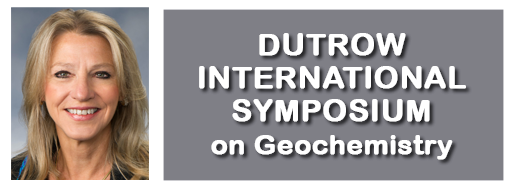
The search for crystalline molecular materials showing interesting and technologically useful properties is one of the most important challenges of crystal engineering. All the synthetic approaches leading to such systems rely on the directionality of the interactions connecting the building-blocks. Apart from the coordination bonds, largely employed to construct molecular solids, other interactions can be useful too: hydrogen and halogen bonds (both directional), metallophilic, and p-p stacking interactions. We currently design new solid-state architectures resulting from the convolution of coordinative and non-covalent interactions. A special emphasis is given to systems containing two different metal ions, as well as to co-crystallization processes. An alternative way towards nanoporous crystals, resulting from the packing of discrete molecules, is discussed. Overall, the integration of various types of interactions—coordinative, hydrogen and halogen bonds, metallophilic, and π–π stacking—provides a versatile toolkit for the rational design of advanced crystalline materials. These materials hold great promise for a wide range of technological applications, from molecular electronics to environmental remediation.
Asknowledgment: This study was performed within RO-MD Project: "Redox-active organic and metal-organic cages with azulene derivatives for crystalline engineering" (AZMETCA) Nr. PN-IV-P8-8.3-ROMD-2023-0045, and Moldovan National Project Nr. 010603.