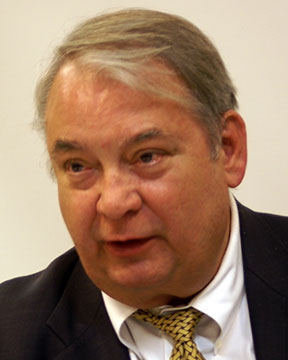

In Honor of Nobel Laureate Dr. Aaron Ciechanover


Respiratory-swallowing coordination is essential for safe swallowing and the prevention of aspiration. The pontine respiratory group, particularly the Kölliker-Fuse nucleus (KF), plays a crucial role in maintaining respiratory rhythm and proper laryngeal movement. Additionally, the KF regulates the initiation and motor activity of pharyngeal swallowing and is interconnected with the nucleus tractus solitarius, receiving both visceral and somatic sensory information from the larynx and nose. Therefore, lesions in the pontine brainstem, including damage to the KF, can lead to a deterioration in respiratory rhythm and coordination between respiration and swallowing. Furthermore, the deterioration of the oxidative and antioxidative balance caused by brain ischemia may contribute to the dysfunction of neuronal systems. However, little is known about the relationship between respiratory rhythm generation and oxidative stress, as well as the effects of lesions in the respiratory center on oxidative and antioxidative systems. We investigate the impact of inhibiting the KF on respiratory and swallowing activities, as well as changes in oxidative and antioxidative stress, both before and after the pontine lesion. To monitor respiration and swallowing, we recorded the activity of the vagus, hypoglossal, phrenic, and abdominal nerves in a perfused brainstem preparation of rats. Additionally, a multi-electrode array was used to record respiratory and swallowing-related neurons in the dorsal medulla, and the KF was inhibited through the microinjection of a GABA agonist. Changes in respiratory rhythm and motor activities were analyzed, and we measured derivatives of reactive oxygen metabolites (d-ROMs) and biological antioxidant potential (BAP) to evaluate levels of oxidative and antioxidative stress before and after the lesion.
The post-inspiratory activity of the vagus nerve was inhibited, and activity patterns of swallowing were changed following the KF inhibition. The BAP levels were increased after KF inhibition.
Our findings suggest that the KF contributes to mediating glottal adduction and controlling post-inspiratory activity. The KF may significantly impact the oxidative and antioxidative balance.