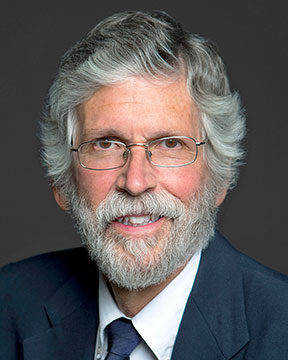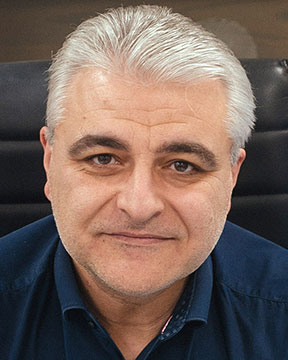

In Honor of Nobel Laureate Dr. Aaron Ciechanover



Food systems worldwide are responsible for a large share of anthropogenic environmental impacts and face growing scrutiny due to their significant environmental, social, and economic impacts. As the global population continues to expand, it exerts greater pressure on existing food systems. The unsustainability of these systems, exacerbated by food waste, overconsumption and unsustainable diets, poses a major challenge to achieving long-term ecological and societal well-being. Through case studies developed in my recent research, this presentation not only describes the main aspects that make the current food systems unsustainable but also provides insights into how research is evolving to reduce the unsustainability of this system. In particular, the reduction of impact through different animal and human diets, as well as the potentiality to recycle biowaste, are discussed based on recent findings. The emerging topic of cultured meat is also addressed, highlighting the potential consequences of using this novel food. Systemic methods used to estimate the environmental impact of food systems, such as LCA, are introduced to present the related results. Mitigation scenarios based on specific analyses are presented. This presentation aims to delve into a crucial topic by providing an overview of, on one hand, the main challenges on the horizon, and on the other, the most important and emerging solutions currently being addressed within international research.