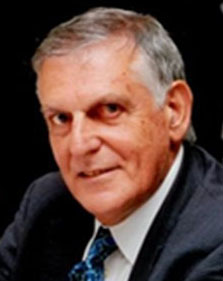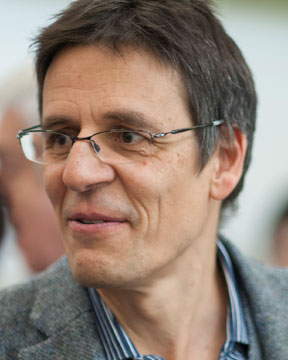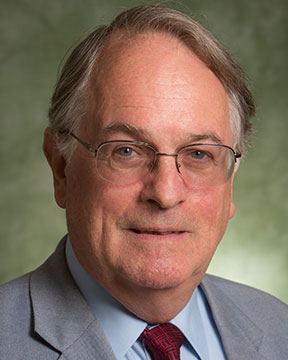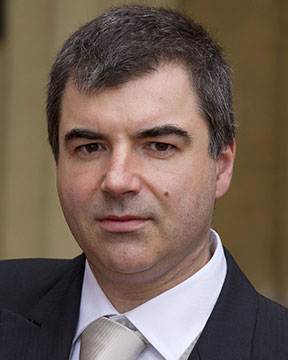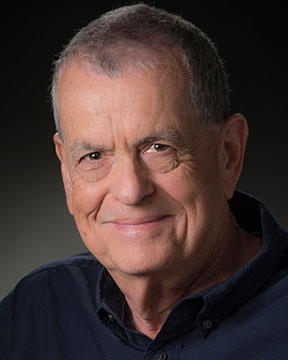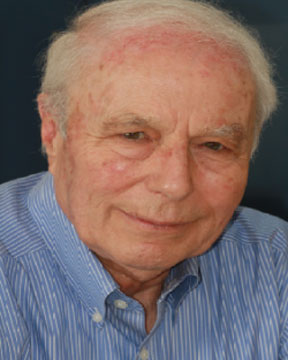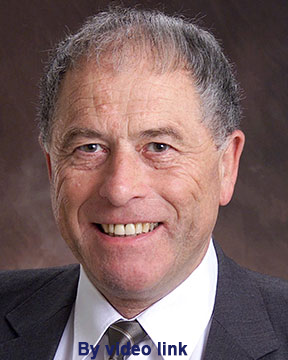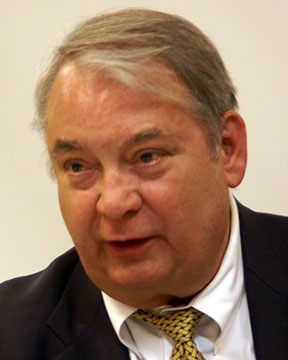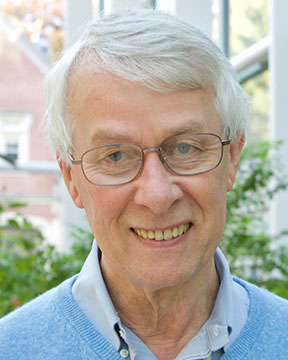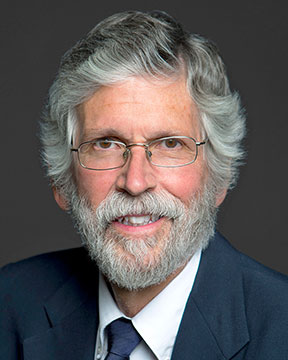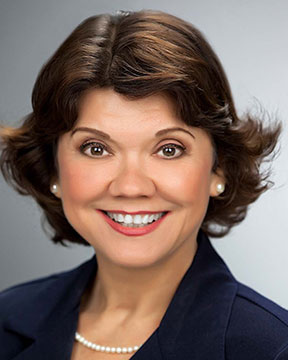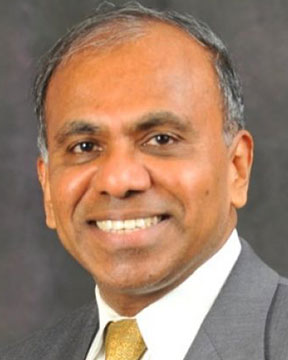

In Honor and Memory of Nobel Laureate Dr. Rudy Marcus
(Passed away on July 16, 2026)
(To Be Updated)
(Passed away on July 16, 2026)
(To Be Updated)


 |
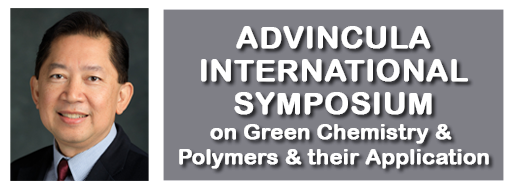
Dr. Massimo PascaleUCLASupernova Time-delay Cosmography In The Jwst Era Frye International Symposium (Intl. Symp. on Astrophysics) Back to Plenary Lectures » |
Abstract:The combination of sensitivity and spatial resolution has made JWST a consequential strongly-lensed supernova finder despite limited epochs and coverage. In particular, observations of galaxy clusters have delivered multiple supernovae viable for cosmography, in which the measured ‘time-delay’ between multiple images enables inference of the Hubble Constant. In this talk, I will first give an overview of the current state of supernova time-delay cosmography, including existing measurements and challenges for making this measurements. I will then highlight the success of the recent JWST programs, such as the cycle 4 program VENUS, to yield new cosmography grade supernovae. Given this growing sample, I will provide forecasts and outlook on future cosmographic measurements. Finally, I will highlight how systemtatics relating to strong lensing models can be improved. In particular, I will showcase the power of strongly lensed Type Ia supernovae, such as SN H0pe, which enables measurement of the lensing magnification to break lensing degeneracies. |
|