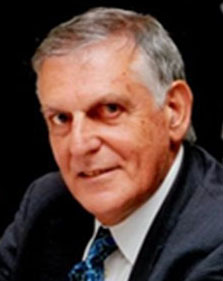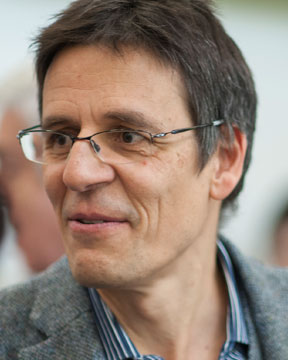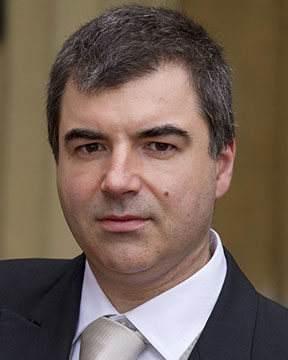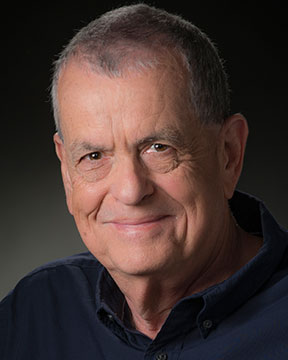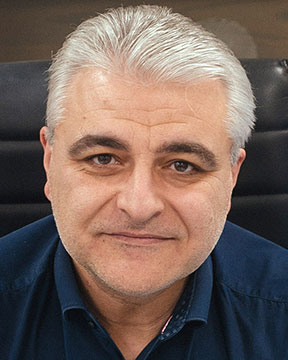

In Honor and Memory of Nobel Laureate Dr. Rudy Marcus
(Passed away on July 16, 2026)
(To Be Updated)
(Passed away on July 16, 2026)
(To Be Updated)



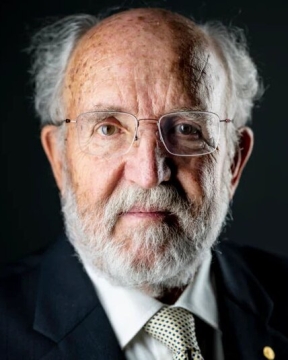 |
Dr. Michel MayorUniversity of GenevaExoplanets From Discovery To New Perspectives Summit Plenary Back to Plenary Lectures » |
Abstract:Are there other Worlds in the universe? Does life exist elsewhere in the cosmos? The technology of our time has made it possible to transform this dream of antiquity into a fascinating field of current astrophysics. Thirty years after the discovery of a first planet orbiting a star like our sun, a few thousand planetary systems have been discovered. These first discoveries revealed to us the astonishing diversity of these systems, very different from our solar system: orbital periods of a few hours, planets with very high eccentricity, ocean planets, rocky or gas giant planets with sometimes retrograde orbits, etc. The detection and characterization of these planetary systems is the result of various techniques, Doppler spectroscopy, planetary transits, astrometry or gravitational lensing. Currently, some of these techniques have the sensitivity required to discover planets with masses smaller than that of our Earth. The combination of the results of these techniques (mass from Doppler spectroscopy, diameter deduced from the transit) makes it possible to deduce the average density of the planet. This synergy opens the field of comparative planetology. |
|