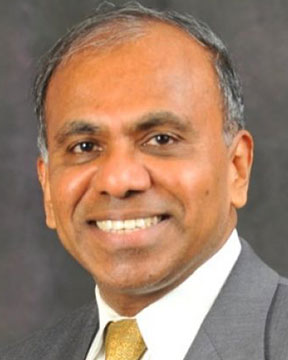

In Honor and Memory of Nobel Laureate Dr. Rudy Marcus
(Passed away on July 16, 2026)
(To Be Updated)
(Passed away on July 16, 2026)
(To Be Updated)


Imagine a student comes to a university to study, learn, connect, and grow. They sign a lease in August, moving in with an unfamiliar roommate, and by September, there are two problems that emerge because of a developing conflict: a legal question about the lease and a human conflict about the relationship. For many students, there is no budget for a private attorney, no time for court, and no confidence in how to have a necessary, difficult conversation. What happens next may affect housing stability, academic progress, and even if the student remains at the university.
This situation can be a formative learning moment for today’s conflict at the university with repercussions for tomorrow’s conflicts in the workplace and community. With legal education, conflict coaching, and mediation services, students can learn and practice skills they will need in the workforce and the community, including how to de-escalate, ask better questions, negotiate responsibly, locate and request professional help, and remain engaged until the conflict is responsibly resolved.
The dispute resolution profession praises Early Dispute Resolution, as it should. But “early” in traditional EDR still begins after attorneys have been hired. Early in the case is not necessarily early in the conflict, or earlier in the educational settings that might mitigate and prevent future conflicts.
Earlier than Early means placing legal, conflict, negotiation, and mediation education when students have opportunities to learn, at least before entering the workforce full-time. My office at my university helps students and campus partners to responsibly handle disputes before they become legal cases, housing emergencies, grievances, or damaged relationships.
Sustainable organizations depend not only upon technical skills, but also on the people who can manage disagreements across offices, departments, and divisions. Today’s students are tomorrow’s staff, managers, supervisors, and leaders. This presentation will demonstrate a practical model at the university level that can assist people to address conflict earlier than early…before the conflict within a future organization even exists.
Presentation:
Mediation has become the dominant form of alternative dispute resolution in commercial and construction litigation across both domestic and international forums, yet resolution rates in complex, multi-party cases consistently lag behind those in simpler bilateral disputes. International construction disputes present uniquely challenging conditions for mediation: multiple parties with overlapping and cross-cutting interests, deep technical complexity spanning engineering, scheduling, and cost disciplines, layered contractual relationships, cross-border regulatory and cultural differences, competing legal traditions (common law, civil law, and hybrid systems), multilingual communication barriers, and high financial stakes compounded by ongoing project impacts and, increasingly, by sustainability mandates embedded in project financing, host-country regulation, and multilateral development bank requirements. Despite these distinctive characteristics, practitioners frequently apply standard mediation techniques developed for simple, bilateral, single-jurisdiction disputes without meaningful adaptation, producing suboptimal outcomes or outright impasse. The resulting outcomes include additional costs when measured against the environmental and social timelines that sustainable infrastructure projects cannot afford to lose.
This proposed session advances the proposition that complex international construction disputes require a fundamentally different mediation framework than conventional approaches provide. The primary goals are to: (1) identify the structural and behavioral barriers (including those unique to cross-border and cross-cultural settings) that cause traditional mediation to fail in complex cases; (2) present an integrated framework of pre-mediation process design, valuation methodology, and advanced technique selection that accounts for divergent legal traditions, international arbitration interplay (particularly FIDIC and ICC frameworks), and sustainability-linked contractual obligations; (3) equip advocates and neutrals with differentiated strategies that improve resolution rates and the quality of mediated outcomes in high-stakes matters; and (4) demonstrate how mediation process design can itself advance sustainable development objectives by reducing the resource consumption, carbon footprint, and social disruption associated with protracted international construction disputes, and by preserving ongoing commercial relationships essential to long-term sustainable infrastructure delivery.
The analysis draws on established behavioral economics literature to identify cognitive biases, including anchoring, reactive devaluation, loss aversion, and the endowment effect, that systematically impede negotiated resolution, with particular attention to how these biases manifest differently across cultural contexts (e.g., collectivist versus individualist negotiation norms, face-saving dynamics in Asian and Middle Eastern construction markets, and differing attitudes toward adversarial process in civil-law jurisdictions). In addition, negotiation theory and dispute resolution process design principles will be discussed and used to construct a staged framework organized around three phases: pre-mediation preparation, in-session technique deployment, and impasse intervention. Practical frameworks are developed for multi-party allocation, contingent agreement design, and hybrid process selection, including Med-Arb and early neutral evaluation, as well as tiered dispute resolution clauses common in international EPC and PPP contracts. The topic further introduces a "sustainable mediation" analytical lens, evaluating process choices against three sustainability metrics: (a) resource efficiency (time, cost, and carbon expenditure of the dispute resolution process itself); (b) relationship preservation (maintaining the collaborative networks necessary for long-term infrastructure operation and maintenance); and (c) outcome durability (designing settlements that incorporate adaptive mechanisms for evolving environmental and regulatory requirements, such as ESG compliance milestones and climate-resilience standards).
Effective mediation of complex international construction disputes depends on decisions made well before the mediation session begins. Pre-mediation engagement (including structured information exchange, early mediator involvement in process design, cross-cultural protocol alignment, selection of seat and language of mediation, and deliberate decision-maker preparation that accounts for varying levels of settlement authority across jurisdictions and corporate governance structures) accounts for the majority of mediation success or failure.
Within the session, impasse is most effectively addressed through a diagnostic approach distinguishing informational, emotional, structural, principal-agent, cultural, and strategic impasse, each requiring distinct interventions. In international settings, cultural impasse may frequently be misdiagnosed as strategic or emotional impasse, leading to counterproductive interventions. Strategies of moving beyond impasse will be discussed including mediator proposals, bracketed negotiation, and linked settlement architectures. These settlement architectures will be examined in cross-border disputes to offer the additional advantage of enabling sustainable and durable resolutions. Practitioners who approach mediation as a designed process rather than a facilitated conversation achieve measurably better outcomes — outcomes that, when designed with sustainability in mind, also advance the broader policy objectives of the international development and infrastructure communities.
Criminal economies and illicit trade have evolved into sophisticated transnational systems that undermine sustainable development, distort legitimate markets, erode public revenues, weaken institutions, and threaten environmental, social, and governance (ESG) objectives. Traditionally addressed through law enforcement and regulatory measures, these challenges increasingly require active participation from the private sector, particularly through robust business integrity and compliance frameworks.
Drawing on the author's recent research on criminal economies published in 2024 and 2025, this paper examines the relationship between illicit trade, corporate integrity, and sustainable economic growth. It argues that compliance programs should no longer be viewed solely as mechanisms for legal risk mitigation but as strategic tools that create long-term value, enhance competitiveness, strengthen market resilience, and contribute to sustainable development.
The paper explores how criminal economies exploit globalization, digital technologies, weak governance environments, and complex supply chains to facilitate illicit trade, corruption, money laundering, fraud, sanctions evasion, and other forms of economic crime. These activities generate significant economic and social costs while undermining confidence in institutions and legitimate commerce. In response, the presentation analyzes how integrity-based business practices can help organizations prevent, detect, and mitigate these risks.
Particular attention is given to compliance best practices, including risk-based governance models, third-party due diligence, supply-chain transparency, anti-corruption controls, collective action initiatives, and public-private partnerships. These measures not only protect organizations from regulatory and reputational exposure but also contribute to stronger institutions, fairer competition, consumer protection, and more sustainable markets.
The paper further demonstrates that combating illicit trade should be understood as an important component of corporate sustainability strategies. Organizations that invest in business integrity create positive impacts beyond compliance by supporting responsible investment, protecting lawful economic activity, promoting labor and environmental standards, and fostering trust among stakeholders. Through examples and lessons learned from Latin America and other emerging markets, the presentation highlights how integrity-driven organizations are better positioned to manage geopolitical, regulatory, and operational risks while sustaining long-term growth.
Ultimately, the paper proposes a broader framework in which business integrity serves as a bridge between economic performance and sustainable development. It concludes that countering illicit trade is not merely a regulatory obligation but a strategic imperative for governments, businesses, and society. By aligning compliance excellence with sustainability objectives, organizations can contribute to more transparent, competitive, and resilient economies while creating lasting value for stakeholders.
References:The Republic of Kosovo is a young state that declared its independence on 17 February 2008 and adopted a new Constitution, which embraces the values of advanced European democracies, including the protection of human rights and freedoms deriving from Chapter II of the 2008 Constitution. In addition to the Constitution, Kosovo has adopted a wide range of laws, including those that protect rights arising from employment relationships, such as the Labour Law, which has been in force since 2010.
Over the years, since the establishment of the state, the Republic of Kosovo has built and consolidated institutions that protect constitutionality and human rights, including its Constitutional Court and the Labour Inspectorate. During the 17 years since its establishment, the Constitutional Court has developed strong standards for the protection of legal certainty and equality before the law through its case law. An interesting case in the judicial practice of this Court is the standard established in relation to the implementation of Article 94 of the Labour Law, according to which the Labour Inspectorate, while supervising the implementation of the Labour Law through relevant decisions on a case-by-case basis, violated the principle of legal certainty by assuming powers that belong to the regular judiciary.
For a long period of time, the decisions of the Labour Inspectorate, as a supervisory body, were treated as final and enforceable titles, namely as enforceable acts, even though in many cases the decisions of this institution were challenged before the courts. This arbitrary approach to the implementation of the Labour Law by the Inspectorate attracted the attention of both the Supreme Court and the Constitutional Court, which prevented this practice of law enforcement, thereby safeguarding the values cultivated by the Constitution of Kosovo.
In light of the above, the focus of this paper will be the case of the Constitutional Court that examined the implementation of Article 94 of the Labour Law and the practice developed by the Labour Inspectorate in the implementation of the Labour Law, before and after the 2022 decision of the Constitutional Court.
From this perspective, the paper will also elaborate on the relevant international standards in the respective field, which are the product of the International Labour Organization (ILO), in particular C081 – Labour Inspection Convention, 1947 (No. 81), as well as other relevant acts issued by the institutions of the European Union (EU), the practices of which Kosovo has incorporated into its legal system.
The professional career and lifetime achievements of Lee Jay Berman represent a significant contribution to the advancement of mediation and alternative dispute resolution (ADR) in the United States and internationally. With more than three decades of experience and over 3,000 mediated civil matters, including complex and high-profile disputes, Berman has established a distinguished legacy as a commercial mediator, educator, institutional leader, author, and advocate for the development of the mediation profession. His work extends beyond the resolution of individual disputes to the broader advancement of mediation as an essential component of modern legal systems. As the founder of the American Institute of Mediation and former Director of Pepperdine Law School's renowned mediation program, he has played an important role in professionalizing mediation education and expanding access to specialized training, having educated thousands of practitioners across five continents. His professional accomplishments have been recognized through numerous national and international distinctions, including Band 1 recognition by Chambers USA, the National Academy of Distinguished Neutrals' inaugural Distinguished Neutral of the Year Award, and the Association of Media and Entertainment Counsel's 2024 Counsel of the Year Award in ADR. His contributions as an author, speaker, mentor, and international thought leader further demonstrate his commitment to advancing professional standards, ethical practice, and innovative approaches to conflict resolution. Equally significant is his dedication to philanthropy, nonprofit leadership, and charitable initiatives supporting health and child welfare. This paper examines Berman's lifetime achievements and their broader significance for the evolution of mediation, legal education, access to justice, and sustainable institutional development. It highlights how his professional philosophy, educational leadership, and commitment to constructive dispute resolution illustrate the transformative potential of mediation in fostering cooperation, strengthening professional institutions, and promoting a more equitable and sustainable society. His career provides an enduring example of how individual professional excellence, combined with education, mentorship, and public service, can contribute to the advancement of law and the broader objectives of sustainable development.
What happens when mediation moves beyond the conference room and into an ICU—where a family is in shock, decisions carry life-altering consequences, and there may be no opportunity to prepare for the conflict, fear, and uncertainty ahead?
Louise Phipps Senft proposes a 20-minute TED-style presentation exploring an innovative application of mediation developed through the work of BLINK of an Eye®, the nonprofit she founded after her own family experienced a catastrophic spinal cord injury (SCI).
Acute high-level SCI is among the most complex medical crises a patient and family can face. In an instant, a person may lose the use of their legs, arms, and hands, while parents, spouses, siblings, and children suddenly confront unfamiliar medical terminology, uncertain prognoses, rapidly changing treatment decisions, rehabilitation choices, insurance issues, and the possibility of lifelong caregiving.
Medical teams are trained to stabilize the injured person. But who stabilizes the family?
BLINK has developed a model that brings trained, able-bodied mediators with lived SCI family experience into this gap. Responding through a national hotline, BLINK deploys a rapid-response crisis team to the ICU bedside and pairs families with trained SCI Navigators. The approach combines mediation skills, lived experience, trauma-informed communication, family systems awareness, and access to emerging SCI science and resources. The mediator does not make decisions for the family. Instead, BLINK helps families regain the capacity to understand information, ask questions, communicate, consider possibilities, and make their own informed decisions in circumstances of extraordinary stress.
The presentation will explore how core mediation principles—neutrality, empowerment, recognition, deep listening, relational dialogue, and respect for self-determination—grounded in relational conflict theory—can be applied in messy complicated medical crises well beyond the traditional boundaries of dispute resolution. It is also cutting edge work on how to be neutral and extraordinary, involved and compassionate, advocating advocacy for most informed decision-making which may be neuroscientifically impossible during crisis, trauma and duress yet assumed by medical personnel untrained in a trauma informed intervention.
Louise will also share how this relational approach, following parties in their trauma experience rather than telling or directing them, provides the opening for educating to help connect families with emerging scientific possibilities. BLINK has helped individuals learn about and pursue participation in cutting-edge SCI research, including the recent NervGen clinical trial shattering the medical assumption that the glial scarring around a high level tetraplegic could not be penetrated. This creates a fascinating intersection among mediation, trauma, medicine, scientific innovation, and human hope.
Drawing upon more than 30 years as a mediator and her deeply personal experience navigating SCI, Louise will invite an international mediation audience to consider a larger question: What other human crises are waiting for mediators to bring their skills outside the mediation room to more personal intimate complex dynamics?
BLINK’s work in the United States and Canada offers one example of how mediation can evolve from a method for resolving disputes into a relational practice that helps people be restored to their own agency, connection, and dignity during some of the most consequential moments of their lives.
In recent years, there are evidence of miscoduct by Editors of some Journals. For example, Journal of Alloys and Compounds (Elsevier) was serious under KHJ Buschow and L Schultz, but now clearly give preference to some authors of some institutions.
Physical Review (Garbage Review?) depends a lot on politics. Otherwise your paper will be refused!
The late Michael Coey [1] is resposible for a completely wrong paper published in Physical Review [2] :
Giant energy product in nanostructured two-phase magnets, by R Skomski, JMD Coey, Physical Review B 48 (21), 15812.
In this paper [2] , the authors erroneously confuse exchange coupling with magnetostatic coupling; and present a description of exchange energy completely wrong. The power and influence of Coey made him “untouchable”, and JMD Coey was able of practicing very anti-ethical movements, as for example rejecting any paper where reference [2] was criticisized (Coey and his students).
The late Ralph Skomski [3] also published a completely wrong description of exchange energy [4] in a 2005 paper in a Journal of Applied Physics. Unfortunately, the late Dave Sellmyer [5] was not able to criticize the papers of his then post-doctoral Ralph Skomski.
Here it is shown that recent papers [6,7] demonstrate clearly that the formulation given by Skomsky and Coey in 1993 [2] is completely wrong.
This problem is not new: The paper submitted by Fourier in 1807 on heat theory was rejected by Legendre and never published [8]. The error made by Fourier? He demonstrated that Legendre was wrong.
Science wars is an ancient subject [9]. Boltzmann comitted suicide [10], even he was correct.
Bad Faith in paper evaluation (by Editors) could be classified as white collar crime.
This would reduce the misconduct by Editors and referees. A typical “bad faith” answer is the phrase “If I can not understand it, then reject it”
Please note that Editors are the SOLELY responsible for the acceptance or rejection of articles.
An Editor has the power of reffusing wrong comments by referees (which not specialistas in the area) , and asking other referees opinion.
By now, several corrupt people are acting as Editors of JMMM (Elsevier) and Acta Materialia (Elsevier).
Proofs of misconduct by Editors of JALCOM (Elsevier), Acta Materialia (Elsevier) and JMMM (Elsevier) will be presented during the Oral talk.
There are lots of complains by many authors.
A typical misconduct is as follows: all papers outisde a given network will be rejected. This is the name “criterion”: The editor does not read the paper. The Editor only reads the names of the authors of papers. If that/those name(s) is inside a black list: REJECTED PAPER. if that name is in “white list”: accepted paper.
Some authors LIE in his papers in order to get funding. An example is graphene: too expensive for getting economic relevance. Why not replacing graphene by carbon powder? carbon powder is very cheap.
Here it is also discussed how some authors have wasted the money of the European taxpayers, producing wrong and useless research.
References:The global data center buildout is unprecedented in its scale, speed, and complexity. Measured in terms of energy consumed, North American data centers currently under construction equal the electricity demand of the entire state of Texas. This is straining the world’s energy infrastructure, supply chains, contractor capacity, labor markets, and natural resources. Opposition to new data center development is hitting local and national politics.
To bypass local stakeholder and permitting issues, new data center capacity is now shifting away from established urban centers to locations that provide three critical enablers: power, fiber, and permission. But even in communities more open to new data center development, projects still need to pass the household wallet test.
Once in execution, projects encounter 5 broad risk areas:
What emerges is a complex risk profile that breaks traditional construction risk management practices. And what is needed instead is a “Back To Basics” approach to project risk.
Risks should be grouped along two separate dimensions: a) those resulting from the Strategic Context vs those tied to Execution on the one hand, and (b) those that can be Mitigated vs those that need to be Managed on the other. Each of the four resulting categories of risk then needs its own comprehensive set of strategies to ensure a successful project outcome.
As data center timelines expand and returns on investment erode, such a comprehensive, holistic approach to dealing with data center construction risks is vital if we are to successfully build the infrastructure foundation of the 21st century.
A teacher of Portuguese language, Jânio Quadros was famous as a drunken president, elected in 1960 [1]. Irresponsible. However, Charismatic.
In 1959, “Cacareco” - a female rhinoceros - received almost one hundred Thousand votes in Sao Paulo [2].
Later, Cicciolina - a porn actress - was elected in Italy, for the Parliament on the year of 1987 [3].
More recently, Angela Merkel [4] was described as “A trained physicist and internationally respected stateswoman, she has brought analytical depth and strategic vision to public service, guiding Germany through pivotal historical moments and reinforcing its role as a regional and global beacon of stability, progress, and international collaboration.”
But, returning to the subject of this talk: What was the reason for the fall of Janio Quadros, in 1961? The medal given for Che Guevara [5].
However, there is a significant time-lapse since August/1961 to 1964 [6].
There is a relevant reason for the coup dÉtat [7] in Brazil, which was NEVER mentioned in textbooks: Niobium. By the earlies 1960s, it was obvious that Niobium was important for superconduction wires [8] “The high critical magnetic field and high critical supercurrent density of Nb-Ti was discovered in 1962 at Atomics International by T. G. Berlincourt and R. R. Hake.”
Niobium was also essential for the Superalloy Inconel 718, which uses ~5% of Niobium, applied in both in jet engines and nuclear reactors [9].
“Inconel 718 was incidentally developed in the 1960s during INCO's development of Inconel 625 [10]. The purpose of its development was to create material that could be used for steam-line piping. Because of its excellent properties, IN718 is commonly used in aerospace (such as gas turbine engine components and cryogenic storage tanks), petrochemical (wellhead tools and high-strength bolting), and power generation industries [11].”
Moreira Salles [12], then Brazilian Ambassador in United States took control of the Araxa mine, in 1965 [13,14].
“The Moreira Salles family's relationship with niobium began in 1965, when Arthur Radford, a United States Navy admiral and then chairman of the board of the mining company Molycorp, convinced Walther Moreira Salles to invest in the production of the mineral in Araxá (MG).” [14].
THUS, IT IS EXPLAINED THE MAIN REASON FOR THE COUP OF 1964.
References:The Globally Harmonized System of Classification and Labelling of Chemicals (GHS) has, in the two decades since its adoption, been transposed, in full or in part, into the national law of more than seventy jurisdictions, and is now the de facto standard underpinning international trade in chemicals. Yet “adoption” is not synonymous with harmonization, and this paper argues that the distinction is the central operational fact of modern chemical compliance. Three structural gaps recur across every region surveyed: divergent building-block selections, under which two jurisdictions nominally applying the same GHS edition can reach different hazard classifications because each has chosen a different subset of optional hazard classes; a persistent version lag, as the United Nations revises the GHS roughly biennially while national transpositions routinely trail by one or more full revisions; and independent language and Safety Data Sheet (SDS) formatting requirements layered on top of both. Against this backdrop, this paper distinguishes the small group of major economic blocs that have fully implemented the GHS as their primary regulatory framework: the European Union, the United States, Canada, China, Japan, South Korea, and Australia, from the wider and more uneven population of other significant adopters, surveyed by sub-region: Latin America (including Mexico, Brazil, Colombia, Chile, Peru, and Costa Rica); the Middle East and Africa (the Gulf Cooperation Council states, Saudi Arabia, South Africa, and the rest of the continent); and the remaining Asia-Pacific adopters (Vietnam, Thailand, Indonesia, New Zealand, and India). The Eurasian Economic Union (EAEU) member states are treated as its own case throughout, since its GHS-aligned standards remain contingent on a regional treaty that has not yet entered into force- the clearest illustration in this paper of the version-lag gap in practice.
Authoring multi-jurisdictional SDS, extended SDS (eSDS) in the EU, and registration dossiers against this fragmented and unevenly current regulatory landscape is slow and resource-intensive. This paper proposes a practical, human-centric paradigm for artificial intelligence in chemical safety to address that burden: combining predictive Quantitative Structure-Activity Relationship (QSAR) hazard modelling with generative regulatory-text drafting inside a “machine-drafted, expert-verified” workflow, keyed explicitly to the GHS revision and building-block profile of each target market, and integrated into existing systems such as SAP S/4HANA EHS rather than replacing them. It further argues that thoughtful government regulation of AI itself, such as the EU AI Act's risk-tiered obligations, is a precondition for trustworthy adoption of this paradigm rather than an obstacle to it.
Electrical utility CEOs around the world are facing a strategic paradox. The rapid growth in electricity demand from data centers is forcing them to invest billions in upgrading transmission and distribution infrastructure. But the cost of that investment is driving up electricity costs for all users, resulting in pressure from both consumers and regulators. The tension is real, and getting it wrong has profound consequences for both utility executives and their investors.
This paradox is not unique to electrical utilities, however. It is true for any critical infrastructure sector facing a sudden demand shock. The key to resolving the paradox is not to view data centers as a threat to affordability, but rather as a catalyst for solving it.
By examining how utilities allocate capital under uncertainty, execute their capital programs at the speed demand by its customers, and approach cost recovery of these investments, we propose a path forward. Modernizing the architecture of our economy’s electrical infrastructure, spurred on by data center demand, could actually improve affordability while funding the 21st century grid.
The presentation will explore five interconnected themes:
The paradox is solvable, not through incremental investments and efficiencies, but through structural innovation in how our vital infrastructure is financed and cost recovery is allocated. Speed of execution and building a modern grid architecture will determine which utilities (and which communities) capture a disproportionate share of the growth and infrastructure investment dollars. Ultimately, this is a much larger story about how we handle the affordability-capital intensity question that will be faced across sectors in a modern 21st century economy.
This paper introduces the CESG Framework (Cultural–Environmental–Social Governance), a novel analytical and evaluative model that extends the established ESG architecture by integrating Culture as a fourth and foundational pillar of corporate sustainability. The proposal addresses a structural deficit that pervades both academic literature and business practice: the persistent knowledge-action gap, whereby organizations acknowledge climate risks yet systematically fail to translate that acknowledgment into transformative action. Drawing on evidence from three Greek corporate case studies — METLEN Energy & Metals, PHĀEA Resorts, and ION A.E. — spanning the energy, hospitality, and agri-food sectors, the paper argues that this gap is not primarily technical or financial in origin, but cultural and anthropological.
The theoretical framework situates the CESG proposal within a multi-level regulatory architecture. At the European level, the Corporate Sustainability Reporting Directive (CSRD/Directive 2022/2464) and its principle of double materiality — preserved intact by the 2026 Omnibus revision (Directive 2026/470) despite a significant narrowing of scope — require organizations to assess both financial materiality and impact materiality, effectively positioning them as participants in a broader socio-ecological system. At the constitutional level, Greece’s Article 24 (environmental protection) and Article 2(1) (human dignity) provide a dual normative anchor, grounding environmental degradation as simultaneously an ecological and humanistic concern.
Empirical analysis identifies three distinct models of corporate climate response: a Strategic Positioning Model (METLEN), a Values Identity Model (PHĀEA), and an Institutional Consistency Model (ION). The comparative analysis reveals that the most resilient model is not the most resource-intensive, but the most culturally grounded.
The CESG Framework operationalizes Cultural Sustainability through the Inner Development Goals (IDGs) — Being, Thinking, Relating, Collaborating, and Acting — reframing these five dimensions as organizational strategic competencies. This responds directly to Wamsler et al.’s (2021) identification of the organizational dimension of inner sustainability as the largest unaddressed gap in climate policy research. Independent convergence with Blanc and Meißner (2025) further validates the framework. Philosophically, the CESG is grounded in Aristotelian virtue ethics and teleology — phronesis, sophrosyne, and justice — and is positioned as a conceptual bridge between the logic of sustainability and the emerging paradigm of regeneration (as the Aristotelian «telos»).
The paper proposes concrete applications: integration of cultural sustainability indicators into CSRD reporting standards; IDG-based leadership development programmes; inclusion of cultural transformation criteria in Just Transition frameworks; and a simplified CESG self-assessment tool for SMEs. The central argument is that climate transformation is, at its core, a value transformation — and that every significant change begins from within.
Contemporary justice systems face a structural paradox: while legal information and digital tools have expanded, conflict resolution remains costly, fragmented and inaccessible to many individuals and businesses. Merely transferring traditional proceedings to digital platforms does not address the institutional design that produces delay, asymmetry and recurrent disputes. This paper therefore asks how artificial intelligence can support a sustainable conflict-management system without replacing human judgment or weakening private autonomy and procedural fairness.
The paper develops the concept of an intelligent ecosystem for sustainable conflict management. Rather than treating AI as an autonomous adjudicator, the model understands it as a graduated infrastructure that connects seven layers: dispute prevention; early legal orientation; diagnosis and triage; assisted negotiation; human-led mediation, conciliation, expert determination and arbitration; agreement and compliance; and institutional learning. The ecosystem is initially limited to disposable civil and commercial disputes, where private autonomy offers the broadest legitimate space for choosing procedures and technologies.
The research combines legal-dogmatic analysis, comparative law and institutional design. It examines private autonomy, online dispute resolution, procedural justice, automated contracting and algorithmic governance, drawing on the UNCITRAL Technical Notes on Online Dispute Resolution and its 2024 Model Law on Automated Contracting, the OECD Online Dispute Resolution Framework, the CEPEJ Ethical Charter and recent Colombian and Brazilian standards on AI and justice.
The paper concludes that AI can expand access to justice when its functions are allocated according to risk and remain subject to informed consent, data protection, traceability, explainability, contestability and meaningful human oversight. Its distinctive contribution is not to automate final legal decisions, but to connect prevention, resolution and compliance within a people-centred system. The proposed model reframes access to justice as access to the most appropriate pathway for preventing or resolving a legal need, while preserving courts as the ultimate guarantee of rights. Sustainability is assessed institutionally, socially, economically and environmentally through accessibility, fairness, stable agreements, effective compliance and reduced conflict recurrence.
References:Many crimes remain unsolved upto Today. Who killed Kennedy? Was Marylin Monroe murdered?
Was Robert Wagner responsible for the death of Natalie Wood?
George W Bush did the same white collar crime as Martha Stewart, but ONLY Martha Stewart was arrested. WHY?
Also George W Bush was in Florida during the 09/11 strikes. Was he waiting the strikes?
Was Joseph Biden responsible for the death of his first wife? Nobel Prize Lev Landau was almost killed in a similar attack, by a truck.
There are lots of evidence that Benjamin Netanyahu had before knowledge information about the Palestinian attack that devastated several kibutz and one rave.
Also concerning the Russia-Ukrain war, there are overwheelming evidence that Putin (and his spys) asked some Iranians to ask Palestinians to strike Israel.
Thus United States would need to help both Ukrain and Israel, and this would mean that the Western world would not be able to properly help Ukrain. This was the idea of Putin, a coward. Ridicule in sports, Putin asked Brazilian famous soccer players to play soccer with him in order to divert the Russian population from his war crimes. .
Falklands-Malvinas war [1] was the end of the truculent ARgentinian militar government [2]. At least 30 thousand of young people where killed in Argentina [3].
Dictatorship period in Brazil [4,5,6] also will be discussed. Arguably, Castello Branco was the most truculent dictator of Brazil [7].
Non-official sources indicate Argentinian dictatorship tortured and killed ~40,000 people, whereas Brazilian dictatorship killed ~4,000 people .
Nevertheless, criminals as Ustra did not pay for their crimes [8].
Will the Ukrain war cause the collapse of the Putin administration?
Will Putin be taken to Haia tribunal? Will Netanyahu be taken to Haia tribunal?
This paper try to answer some of these questions.
References:This gathering brings together some of the brightest minds in the world, individuals whose discoveries, innovations, leadership, and influence have the power to shape the future of humanity. There is little doubt that the collective intellect in this room can generate solutions to many of our most pressing global challenges, from food and water insecurity, healthcare disparities, and climate resilience to responsible artificial intelligence and sustainable development.
The question is not whether we have the intelligence to solve these problems.
The question is whether we have the perspective.
As a mediator, I have learned that even the most brilliant people can have blind spots. Not because they lack expertise, but because deep expertise can sometimes narrow our field of vision. We become so immersed in our work, discipline, or mission that we begin to see issues primarily through our own experiences, assumptions, and frameworks.
This raises a critical question:
Who is not in the room?
Are the people most affected by these challenges helping to define them? Have we listened to the communities that will ultimately live with the consequences of our decisions? Have we involved those closest to the problem in shaping the solution?
Too often, the people most impacted by global issues are absent from the conversations where solutions are conceived. Their needs are discussed, but their voices are not heard. Their futures are being shaped, yet they are not meaningfully engaged in the process.
The most sustainable and transformative solutions emerge not when we solve problems for people, but when we solve them with people.
Borrowing from the principles of mediation and conflict resolution, this presentation will challenge participants to examine their own blind spots, broaden their understanding of inclusion, and consider how diverse perspectives can strengthen innovation, policy, and sustainable development efforts. The session will explore the questions skilled mediators ask before attempting to solve complex problems:
At its core, this presentation offers a simple yet powerful proposition: lasting solutions are not imposed, they are co-created.
The most effective mediators understand that their role is not to solve problems for others, but to create the conditions that allow people to participate in solving their own. Likewise, the most enduring global solutions will result not only from the brilliance of those in positions of influence, but from their willingness to engage, empower, and elevate the voices of those most affected.
Because sustainable development is not ultimately about changing the world for people.
It is about changing the world with them.